As we move through 2026, the Canadian housing market has undergone a significant transformation. For years, the conventional wisdom suggested that high-end kitchen remodels or spa-like bathroom renovations were the gold standard for increasing property value. However, a shift in buyer psychology and economic reality has moved the spotlight to the exterior of the home. Today, siding is no longer viewed as a simple cosmetic skin. It is recognized as a high-performance mechanical system that dictates a home’s long-term financial health.
In a market defined by high interest rates and increased cost-of-living concerns, a real estate agent is more likely to highlight a home’s “envelope efficiency” than its granite countertops. Buyers are looking for certainty. They want to know that the structure they are purchasing is resilient, efficient, and protected from the increasingly volatile Canadian climate. This shift has catapulted siding to the top of the list for homeowners looking for the highest possible Return on Investment (ROI). It is the rare renovation that offers immediate gratification through curb appeal while simultaneously paying dividends through reduced overhead.
The Quick Edit: Key Takeaways
Before we break down the technical and financial drivers of this trend, here are the essential facts for the 2026 homeowner:
- The Efficiency Premium: Modern siding systems can reduce heat loss by up to 20% when paired with continuous insulation.
- Resale Dominance: On average, Canadian homeowners are seeing a recovery of 75% to 85% of siding costs upon resale, often outpacing interior remodels.
- Zero-Maintenance Era: The move toward high-performance materials means homeowners are saving thousands by eliminating the need for painting and rot repair.
- Resilience is Value: In 2026, a “weather-proofed” home commands a higher appraisal than one that is merely “pretty.”
The Thermal Barrier: Slashing Utility Costs
In Canada, the cost of heating and cooling is a primary concern for every household. As carbon pricing and energy shifts continue to influence utility bills in 2026, the efficiency of your home’s “skin” has a direct impact on your monthly disposable income. Traditional insulation sits between the studs of your home, but it often misses “thermal bridges”—the wooden studs themselves, which act as conduits for cold air to bypass your insulation.
This is where the financial genius of a siding upgrade truly shines. When choosing between vinyl and fibre-cement siding, modern installers often recommend the addition of a “continuous insulation” layer. This layer wraps the entire home in a thermal blanket, breaking those thermal bridges and keeping the interior temperature stable. By reducing the strain on your furnace and heat pump, you aren’t just saving money on your monthly bills; you are extending the life of your expensive HVAC equipment. Over a ten-year period, these savings can often cover a significant portion of the initial renovation cost, making it one of the few home upgrades that actually pays you back.
Resilience as ROI: Protecting Against the Canadian Climate
The Canadian environment is unforgiving. From the “Ice Alley” conditions of the Maritimes to the intense wind-driven rains of the West Coast and the deep freezes of the Prairies, your home’s exterior is under constant assault. Homeowners in 2026 are increasingly aware that the siding is the home’s first line of defence against the elements, and if that line is compromised, the structural damage can be catastrophic.
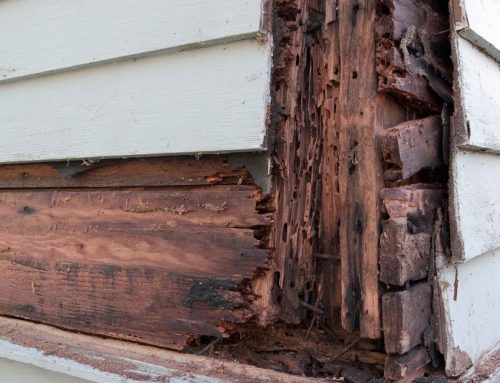
A high-performance siding project protects the “sheathing” (the wooden structure) of your home from moisture, mould, and rot. In the past, a minor leak might have gone unnoticed for years, eventually resulting in a $30,000 structural repair bill. By investing in modern materials and a professional siding installation process, you are essentially buying an insurance policy for your home’s skeleton. Furthermore, with the 2026 focus on “FireSmart” building practices in many Canadian regions, non-combustible siding options are becoming a prerequisite for insurance discounts and buyer peace of mind, further boosting the ROI of the project.
Curb Appeal 2.0: The Aesthetic Premium
While the technical benefits are massive, we cannot ignore the power of the “first impression.” In the digital-first real estate market of 2026, your home’s exterior is its “profile picture.” Buyers make a decision about the quality of a home within seconds of seeing the listing photo or pulling into the driveway. If the siding is faded, cracked, or outdated, they assume the interior has been equally neglected.
Modern siding trends have moved toward a sophisticated mix of textures and bold palettes. We are seeing a surge in “mixed-material” facades—combining wood-look composite planks with dark, architectural metals or stone veneers. This aesthetic doesn’t just make the home look newer; it makes it look premium. This perceived value allows sellers to position their home in a higher price bracket, often triggering multiple-offer scenarios that wouldn’t have been possible with a dated exterior.
Real Estate Performance: What the Data Says
When we look at the data for 2026, the math is clear: high-quality siding saves money and boosts house value in a way that interior cosmetic changes simply cannot match. Appraisers have shifted their focus to the longevity and “envelope health” of a property. A home with a 30-year siding warranty is viewed as a much lower risk for a lender than a home with original stucco or aging wood that requires annual maintenance.
Additionally, new siding reduces the likelihood of “deal-killing” discoveries during the home inspection phase. Many sales fall through when an inspector finds moisture behind the boards or pest infestations in the trim. By refreshing the exterior, you are presenting a clean bill of health to the buyer. This removes the “uncertainty discount” that many buyers apply to older homes, ensuring you keep every dollar of your asking price.
The Smartest Dollar Spent
As we navigate the complexities of the 2026 Canadian economy, every dollar spent on home improvement must be strategic. While a new kitchen might be the heart of the home, your siding is the “body” that protects that heart. Investing in a high-quality exterior renovation is both a defensive and an offensive financial move. It defends your home against structural decay and rising energy costs, and it goes on the offense by maximizing your equity and market appeal.
Ultimately, the goal of any renovation is to improve your quality of life while protecting your largest asset. Siding accomplishes both with unparalleled efficiency. Whether you are planning to stay in your home for decades or are preparing to list it in the coming months, there is no better way to ensure your property remains a safe, efficient, and valuable sanctuary. In the modern Canadian landscape, the best renovation isn’t the one that looks the best in a magazine—it’s the one that performs the best in a blizzard.