Selecting the ideal exterior material for your home involves far more than simply picking a colour scheme that matches the surrounding neighbourhood. Every geographic area presents its own distinct climate profile, ranging from intense freeze-thaw cycles and heavy snowfall in northern regions to coastal salt air and scorching summer heat. Choosing high-performance siding engineered to withstand your local climate is one of the most critical decisions a homeowner can make to preserve structural integrity.
Much like a specialized structural procedure such as basement underpinning protects a home’s foundation from soil movement and settling, appropriate exterior wall cladding safeguards everything above ground level. Your exterior walls work constantly alongside your roof to form a continuous, weather-resistant shell. Matching material science to regional weather patterns ensures that your property stays warm, dry, and structurally sound for decades to come.
The Quick Edit
- Material Science Matters: Vinyl, fibre cement, engineered wood, and metal cladding perform differently depending on regional temperature swings, UV exposure, and moisture levels.
- Freeze-Thaw Resistance: In cold climates, siding materials must resist moisture absorption to prevent internal freezing, swelling, and thermal cracking.
- Roof and Wall Integration: Cladding systems must integrate seamlessly with roof flashing, gutters, and house wrap to ensure complete envelope protection.
Why Climate Dictates Exterior Material Performance
Every building material reacts uniquely to environmental stressors. Sunlight, rain, ice, wind, and fluctuating temperatures constantly test the outer boundary of your home. Understanding how different materials respond to local weather patterns prevents premature failure and costly maintenance.
In cold freeze-thaw zones, cladding materials must offer maximum thermal stability, low moisture absorption, and high impact resilience against flying debris, ice, and hail. Hot, sunny environments require materials engineered for UV stability, heat deflection, and minimal solar distortion. Meanwhile, coastal and high-humidity environments demand materials built to resist saltwater corrosion, severe wind loads, and continuous vapour pressure.
When building materials expand or contract rapidly during sudden temperature drops, microscopic stress fractures can form. Over time, these small cracks allow rain or melting snow to enter wall cavities. Selecting a material designed specifically for your regional climate ensures that your home remains resilient against nature’s toughest challenges.
Matching Siding Materials to Regional Canadian Climates
In Canada, matching siding materials to regional climates is essential due to vast differences in moisture levels, temperature swings, UV exposure, and wind conditions across the country.
West Coast & Pacific Maritime (British Columbia Coast)
The Pacific Maritime region faces constant high rainfall, persistent humidity, damp salt air, and minimal freeze-thaw cycles. Fibre cement and engineered wood paired with a rain screen are the ideal choices for this environment. Fibre cement is completely rot-proof, making it ideal for wet conditions. Engineered wood offers natural warmth and resists moisture degradation when installed over a ventilated rain-screen gap that allows water to drain freely.
Prairie Provinces (Alberta, Saskatchewan, Manitoba)
The Prairies experience extreme sub-zero winter temperatures, intense summer UV rays, dry air, drastic thermal swings, and severe hail storms. Engineered wood and heavy-gauge metal (steel or aluminum) excel here. Engineered wood is treated with resins and zinc borate preservatives that deliver exceptional impact resistance against summer hail without cracking in sub-zero cold. Steel and aluminum handle rapid thermal expansion and contraction easily, resisting UV fading and remaining tough during deep freezes.
Central Canada (Ontario & Quebec)
Central Canada is known for wide seasonal swings—hot, humid summers paired with freezing, snowy winters—along with frequent winter freeze-thaw cycles. Insulated vinyl and fibre cement perform exceptionally well across these provinces. Insulated vinyl provides an added thermal layer that stabilizes indoor temperatures while accommodating seasonal expansion and contraction. Fibre cement maintains excellent dimensional stability, resisting the warping and swelling caused by high summer humidity.
Atlantic Canada (Nova Scotia, New Brunswick, PEI, Newfoundland)
Atlantic Canada presents harsh conditions: corrosive ocean air, high humidity, frequent freeze-thaw cycles, driving rain, and strong coastal winds. Fibre cement and marine-grade vinyl are the premier options. Fibre cement resists salt-air corrosion, moisture absorption, and wind-driven rain far better than natural wood. Marine-grade vinyl also performs reliably because it will not rot, corrode, or degrade when exposed to salt spray and heavy coastal storms.
Northern Territories (Yukon, NWT, Nunavut)
The Far North faces long sub-zero winters, heavy snow accumulation, permafrost shifting, and brief, intense summers. Heavy-gauge steel, aluminum, and insulated metal panels offer unmatched performance in extreme cold. Metal materials absorb zero moisture, meaning they will not freeze, swell, or become brittle at sub-zero temperatures. Unlike plastic or natural composites, metal maintains its full structural integrity through months of severe winter freezes.
Evaluating Cladding Materials Across Climate Zones
Homeowners can choose from several primary exterior cladding options, each offering unique strengths depending on the geographic setting.
Fibre Cement Cladding
Fibre cement is composed of sand, cement, and cellulose fibres. This dense mixture makes it exceptionally durable across severe climate zones. In cold climates, it absorbs virtually no water, meaning freeze-thaw cycles will not cause delamination, cracking, or swelling. In hot climates, it is completely non-combustible and highly resistant to intense solar heat and UV fading. These characteristics make fibre cement ideal for harsh northern freeze-thaw zones, wildfire-prone areas, and coastal environments.
Engineered Wood Cladding
Engineered wood combines natural wood fibres with advanced resins, waxes, and zinc borate preservatives. The manufacturing process gives engineered wood outstanding impact resistance against hail and wind-driven ice storms, allowing it to perform exceptionally well in sub-zero conditions without becoming brittle. In hot regions, protective factory finishes help it hold paint extremely well and resist heat-induced warping. Engineered wood is a prime choice for northern climates, heavy snow zones, and regions prone to severe hail storms.
Vinyl and Insulated Vinyl
Vinyl remains a widely used cladding option across North America due to its affordability and low maintenance requirements. Standard vinyl can become brittle in extreme sub-zero temperatures, making it vulnerable to impact damage from falling ice or hail. However, insulated vinyl features a solid foam backing that improves impact resistance and adds thermal performance. In hot regions, darker vinyl colours can warp or bow under intense, direct solar heat if installed without adequate expansion allowances, making it best suited for moderate climates with balanced seasonal temperature shifts.
Metal Cladding (Aluminum and Steel)
Metal cladding offers a sleek, modern aesthetic combined with unmatched industrial-grade strength. In cold climates, steel siding easily handles heavy snow accumulation and extreme freeze-thaw cycles without cracking or chipping. In hot climates, metal reflects solar heat efficiently, though darker finishes can absorb surface heat. Metal cladding excels in high-wind zones, coastal areas, and cold northern regions where physical strength is paramount.
Avoiding Premature Cladding Degradation Through Science
Selecting the correct material is only part of the equation. Understanding building science helps prevent premature siding degradation over the lifespan of your exterior walls. Every material expands and contracts when exposed to temperature changes, a phenomenon known as thermal expansion.
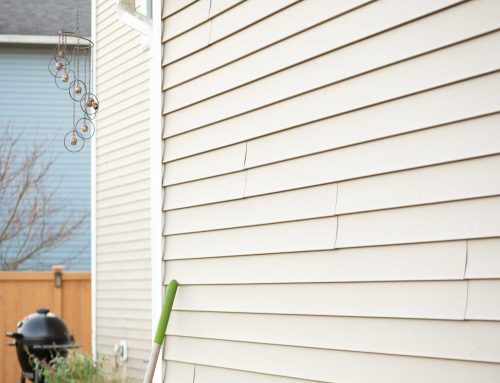
For instance, a twelve-foot panel of vinyl siding can expand or contract up to half an inch between a freezing winter night and a hot summer afternoon. If installers nail vinyl cladding too tightly against structural wall sheathing, the material cannot slide naturally back and forth. As a result, the panels buckle, warp, and crack along fastener slots.
Similarly, if fibre cement or engineered wood planks are installed without proper clearance gaps along window trims and rooflines, standing water gets trapped against cut edges. Over time, this trapped water causes edge swelling and finish peeling, compromising the appearance and durability of the entire wall assembly.
System Integration: Connecting Walls to the Roof
To achieve total weather protection, homeowners must recognize how exterior wall cladding works in harmony with the roofing system. Together, these elements form the primary building envelope that seals conditioned indoor air inside while keeping wind, rain, and snow outside.
Your roof collects vast amounts of water during heavy downpours or winter snowmelts. If your roof flashing, eave drip edges, or gutter systems fail, that cascading water runs directly down your exterior walls. At roof-to-wall intersections, kickout flashings must be installed to divert rainwater away from vertical walls and directly into gutters. Without this simple metal diverter, roof runoff channels straight behind the upper courses of your siding.
Additionally, metal Z-flashing installed above window and door frames prevents water from seeping into the horizontal joints between the wall trim and cladding. Behind all high-performance cladding sits a weather-resistive barrier (WRB). This membrane allows indoor moisture vapour to escape while stopping liquid water from reaching the plywood wall sheathing. When your roof and wall systems are properly integrated, water sheds smoothly off the home from ridge vent to foundation, eliminating interior moisture risks.
The Consequences of Improper Installation
Even the highest-grade fibre cement or engineered wood cladding will fail if it is installed incorrectly. It is well established in construction science that siding is the first line of defence against the elements, but its success relies entirely on proper craftsmanship.
Skimping on installation details creates major structural vulnerabilities. For example, failing to tape weather-barrier seams, leaving out flashing membranes around window corners, or using non-corrosive fasteners allows water to leak into wall cavities unnoticed.
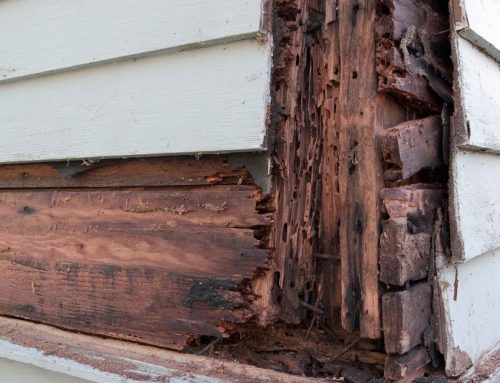
Homeowners must understand that poor siding installation can cause structural damage over time. Trapped moisture behind cladding panels leads to rotted wall studs, saturated insulation batts, delaminated sheathing, and hazardous black mould growth. By the time soft spots appear on interior drywall, thousands of dollars in structural repairs may be required to restore wall framing stability.
Diagnostic Checklist for Regional Performance
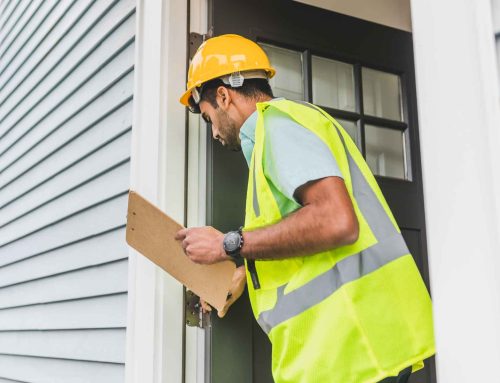
Homeowners can evaluate whether their current exterior wall cladding is suited to their local climate by inspecting key structural areas. First, check if lower plank courses near ground level show signs of swelling, flaking, or rot from splashback water. Next, examine fastener heads for rust or signs that nails have pulled through cladding panels, which signals hidden wall movement or moisture traps.
It is also important to inspect the caulking around window casings, corner boards, and rooflines for cracking or shrinking caused by UV exposure. Sight along wall faces to spot panels that bow or warp under seasonal temperature shifts, and verify that kickout flashings are present wherever roof edges meet vertical siding walls.
Protecting Comfort, Efficiency, and Property Value
Investing in regional-specific cladding materials installed by experienced professionals transforms how your home copes with climate extremes. Matching material properties to local weather conditions ensures long-term resistance against driving rain, heavy ice, intense sunlight, and high wind loads.
When high-performance wall cladding integrates seamlessly with a well-maintained roofing system and proper weather-resistive barriers, your home remains energy-efficient, comfortable, and structurally resilient through every season.