Choosing the right exterior cladding is one of the most consequential decisions a homeowner can make for their building envelope. Siding serves a dual purpose: it acts as a primary weather barrier against environmental forces while defining the architectural personality of the entire property. In northern climates, where exterior walls face extreme freeze-thaw cycles, driving snowpack, and hot summer sun, selecting a material that balances structural resilience with organic elegance requires careful evaluation.
A complete exterior overhaul is as much a financial decision as an architectural one. If you consult a financial advisor about capital home improvements, they will emphasize that capital investments in high-grade building materials should be weighed by their total cost of ownership, long-term equity return, and maintenance demands rather than initial installation cost alone. Real wood siding—such as Western Red Cedar, Eastern White Pine, and Redwood—remains a gold standard in residential architecture, offering a rich, warm visual presence that synthetic materials continually try to imitate.
The Quick Edit
- The Primary Appeal: Natural wood siding offers unmatched architectural beauty, natural thermal insulation, high property appraisal appeal, and infinite spot-repairability.
- The Financial Reality: Higher initial material and labour costs are offset by long-term property equity, provided a routine 5- to 8-year sealing schedule is maintained.
- The Key Advantage: Unlike synthetic panels that require full wall tear-downs when cracked, damaged wood planks can be individually sanded, refinished, or replaced.
The Natural Mechanics of Wood Siding in Cold Climates
To appreciate why natural timber has protected homes for centuries, one must look at its cellular composition. Unlike manufactured plastics or composite materials, real wood does not expand and contract rapidly along rigid synthetic chains. Instead, it possesses a complex cellular structure designed by nature to manage moisture and thermal stress.
In sub-zero temperatures, synthetic claddings often become brittle. This vulnerability leaves them prone to impact damage from hail or flying debris. Real wood fibres maintain their flexural strength regardless of ambient temperatures. Furthermore, natural softwood species contain millions of microscopic air pockets per cubic inch. This gives real wood an inherent insulating value—or R-value—significantly higher than uninsulated vinyl or thin aluminum.
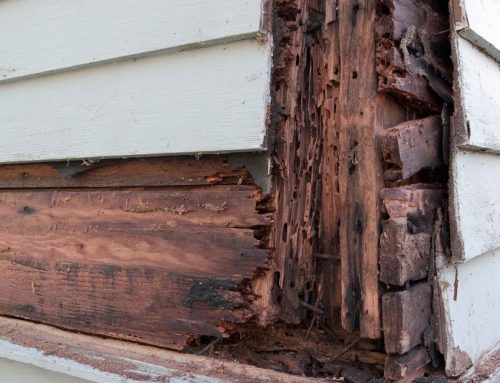
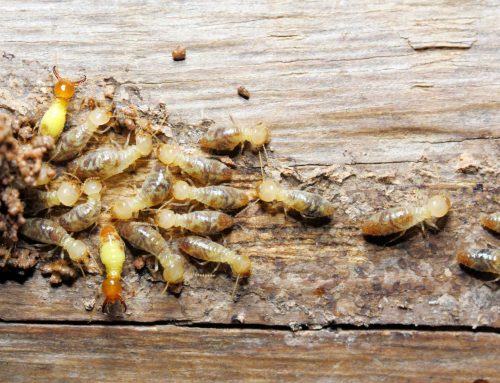
Species like Western Red Cedar contain natural chemical compounds called thujaplicins and water-soluble phenolics. These natural extractives make the timber inherently resistant to decay, rot, and insect attacks. Consequently, the wood can withstand harsh atmospheric exposure when properly installed and sealed.
The Total Cost of Ownership: Upfront Investment vs. Equity Return
Investing in traditional wood siding requires a higher initial capital outlay than standard synthetic options. This cost reflects the premium nature of clear-grade timber. It also accounts for the specialized labour needed for precision carpentry, back-priming, and rainscreen installation.
However, viewing natural wood purely as an expense overlooks its impact on property appraisal and resale value. In real estate markets, authentic architectural materials signal high building quality to prospective buyers. A custom home clad in warm cedar shakes or clean tongue-and-groove horizontal planks commands higher market interest than a house with basic synthetic panels.
Furthermore, real wood offers an advantage that rigid synthetic products cannot match: infinite refinishability and spot-repairability. When a synthetic panel cracks, discolours, or suffers heat deformation, matching the exact dye lot years later is nearly impossible. This often forces homeowners to replace entire wall sections. With real wood, a damaged plank can be removed, replaced, stained, and blended seamlessly into the existing elevation at a fraction of the cost.
Evaluating the Options: Real Wood vs. Alternative Materials
Homeowners exploring exterior renovations must navigate a wide marketplace of cladding choices. Understanding how natural timber compares across different types of siding helps clarify where real wood shines and where trade-offs exist:
- Vinyl Siding: Low upfront cost and minimal maintenance, but prone to cold-weather cracking, solar fading, and thermal deformation near reflective windows.
- Fibre Cement: Highly durable, fire-resistant, and dimensionally stable, but heavy, requiring specialized installation tools and lacking the authentic organic texture of real wood.
- Engineered Wood: Cost-effective composite alternative, but vulnerable to edge-swelling and moisture delamination if surface factory coatings are breached.
- Natural Wood (Cedar/Pine): Unmatched architectural warmth, naturally renewable, easily refinished, and highly durable when maintained, though requiring periodic sealing or painting.
Preventative Care: Keeping Real Wood Pristine and Structural
The long-term performance of natural timber siding depends entirely on proactive maintenance. Wood does not rot simply because it gets wet. Decay occurs when moisture remains trapped inside the wood fibres for extended periods without adequate drainage or ventilation.
Establishing a structured preservation routine ensures that your investment remains structurally sound and visually stunning throughout its operational life:
1. Maintaining Rainscreen Drainage Spaces
Modern wood siding installations utilize a rainscreen system—a continuous 3/8-inch air gap created by vertical furring strips behind the wood planks. This air gap allows moisture that penetrates behind the siding to drain away by gravity while providing ventilation that dries the back side of the wood. Keeping top and bottom vent openings clear of leaves, dirt, and insect nests is critical for maintaining this drying mechanism.
2. Regular Sealant and Coating Schedules
Depending on the finish chosen, wood siding requires periodic reapplication to protect against solar ultraviolet (UV) degradation and moisture intake:
- Penetrating Oil Stains: Reapply every 3 to 5 years. Oil-based finishes penetrate deep into wood pores, water-repelling fibres while allowing natural grain to show.
- Solid Acrylic Stains: Reapply every 7 to 10 years. Solid stains provide a heavier pigment barrier against UV rays while maintaining a matte wood texture.
- High-Grade Exterior Paint: Reapply every 8 to 12 years. Paint creates an opaque protective film, but requires complete surface priming on all six sides of each board prior to installation to prevent peeling.
3. End-Grain Sealing and Clearance Rules
The cut ends of wood boards act like bundles of microscopic drinking straws, absorbing water up to twenty times faster than face grain. During installation and subsequent maintenance checks, every field cut must be coated with a dedicated end-grain sealer. Additionally, maintaining a 6-inch clearance between the lower edge of the siding and ground soil—along with a 2-inch gap above roof intersections—prevents wicking of standing water and snowpack.
Architectural Longevity: Why Real Wood Endures
Beyond financial metrics and material physics, natural wood siding offers an enduring aesthetic that transcends fleeting design trends. Whether finished with a clear seal that allows cedar to age naturally into a silver-gray patina or coated in rich, dark architectural stains, wood brings a tactile texture and natural depth to residential facades that synthetic alternatives struggle to match.
Choosing high-quality, durable siding can protect your home longer while preserving structural wall framing against moisture and wind-driven rain. Natural timber has proven its resilience over generations of residential construction, demonstrating that organic materials—when harvested responsibly and installed with sound building science—provide superior structural protection and long-term asset value.
Investing in a timeless siding style like Western Red Cedar or pine ensures that your home retains its architectural dignity as it ages. Rather than looking dated or weathered in a few short years, well-maintained natural wood develops character and rich visual depth that continuously elevates the overall curb appeal of your property.
Addressing Common Surface Vulnerabilities
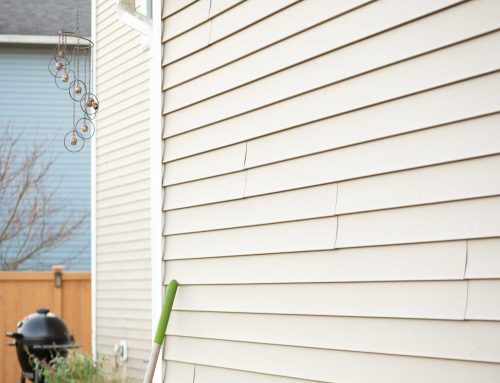
Even high-performance siding systems can exhibit surface irregularities if underlying building envelope mechanics are ignored. For instance, encountering buckling siding panels on an exterior wall often indicates a mechanical issue. Boards may have been nailed too tightly without adequate space for natural moisture expansion, or trapped moisture behind the cladding might be forcing OSB sheathing to swell.
Addressing these minor physical issues during routine spring and fall inspections prevents localized stress from damaging surrounding planks. Checking fastener lines, verifying that nail heads are set flush without crushing sensitive wood fibers, and clearing drainage pathways keeps your wood siding system operating at peak performance.
Authentic Beauty with Built-In Value
Natural wood siding remains a premier choice for homeowners seeking a balance of luxury aesthetics, natural thermal insulation, and long-term asset equity. Real wood demands a higher initial investment and a commitment to routine refinishing. However, its infinite repairability, environmental sustainability, and timeless appeal make it a highly rewarding capital improvement. By combining quality timber species with proper rainscreen ventilation and consistent maintenance, you protect your building envelope and ensure your property stands out for decades to come.