Living next to Canada’s dense forests and rolling green spaces means sharing an environment with highly active wildlife. While property owners routinely invest in extensive backyard landscaping or internal pest control traps, they rarely consider how their external walls act as a natural target. When freezing autumn winds sweep across the landscape, local insects and small mammals immediately look for any escaping heat currents to guide them toward shelter. Older, brittle exterior siding acts like a broken doorway during these seasonal shifts. Upgrading your home’s outer panels with heavy-duty materials is the most reliable way to completely block these aggressive pests before they ever get close to your living spaces.
Protecting a house from persistent pests requires treating your entire exterior as an unbreakable defence grid. Homeowners frequently collaborate with a professional custom home builder to design tight, modern kitchens or custom cabinetry, yet they leave their aging exterior trim pieces uninspected. If your current wall panels are loose, cracked, or softening from continuous rainfall, wild pests can easily carve out hidden entry points. This hidden activity quickly contaminates your interior walls and spreads unpleasant odours through your rooms. Investing in a comprehensive exterior material upgrade eliminates these physical entry zones, giving you a clean, secure, and permanently hygienic home.
The Quick Edit
- The Warmth Attraction: Dropping autumn temperatures force rodents and wood-boring insects to seek out tiny entry points along loose exterior trim and warped siding joints.
- Subsurface Material Decay: Trapped moisture combined with nesting activity destroys your internal insulation blankets and eats away at your home’s structural framing studs.
- Impenetrable Cladding Barriers: Upgrading to high-density materials like fibre cement eliminates these nesting sites, creating an unbreakable physical boundary around your home.
Seasonal Ingress: The Primary Causes of Pest Entry Paths
To understand why pests target exterior walls, you must look closely at how materials degrade under severe weather cycles. Traditional wood cladding and low-grade vinyl expand and contract dramatically. This movement happens constantly between freezing winters and hot, humid Canadian summers. Over time, this non-stop thermal movement pulls your exterior panels out of shape. It breaks the airtight joints and creates narrow gaps along your overlapping corners, window casings, and baseboards. These minor architectural gaps are quickly discovered by wildlife. Rodents, bats, wasps, and carpenter ants actively hunt for a warm winter nesting site before the ground freezes solid.
A field mouse requires a gap no larger than a standard ink pen to squeeze its flexible body straight into your wall framework. Once a single pest finds a way inside, it leaves behind persistent pheromone trails. These chemical tracks guide more pests to the exact same opening. Furthermore, standard builder-grade installations often use soft, lightweight plastic trim pieces. These components offer zero resistance to aggressive chewers. Local squirrels, rats, and mice can chew straight through thin vinyl soffits and hollow plastic closures in a single afternoon. Attracted by escaping interior heat currents, they easily gain direct access to your soft insulation blankets.
Subsurface Ruin: The Destructive Effects of Trapped Wildlife
The true danger of an exterior pest problem is that severe structural damage happens completely out of sight. It occurs hidden right behind your siding panels. Once pests move into your open wall cavities, they begin tearing apart your home’s infrastructure to build nests. They shred fibreglass insulation batting and tear through delicate vapour barriers. They also scratch aggressively at your interior drywall surfaces. Pests even chew on electrical wires to keep their teeth sharp. This activity strips away the protective coating and creates serious fire hazards inside your walls.
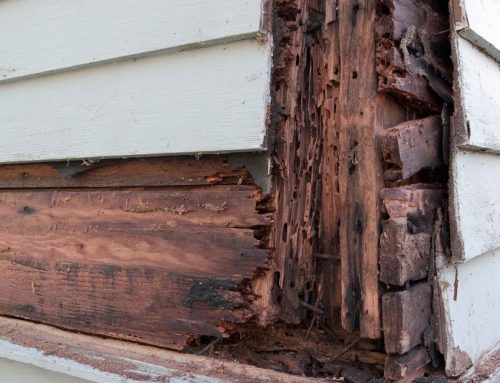
As pests live and multiply inside your wall frame, their waste introduces heavy moisture. This dampness gets trapped in spaces that cannot ventilate properly. The moisture ruins the surrounding insulation, which drops your thermal efficiency and drives up monthly utility bills. Even worse, the continuous moisture saturates your structural studs. This creates a perfect environment for destructive wood-rot fungi to thrive and slowly weaken your load-bearing walls. Left unmanaged, wood-boring insects like carpenter ants will tunnel deep into your damp wall studs to expand their colonies. This process hollows out your structural framing and forces you to fund thousands of dollars in emergency structural repairs.
Technical Remediation: Precision Inspection and Material Selection
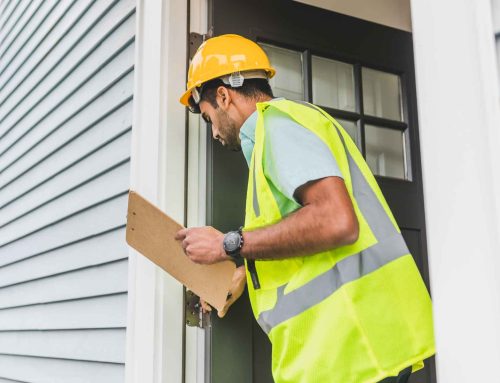
Permanently clearing pests out of your exterior walls requires moving past temporary fixes like chemical sprays and surface traps. Homeowners dealing with recurring infestations should always schedule a comprehensive professional siding inspection to locate hidden entry paths. Experienced technicians use thermal imaging cameras to pinpoint exact nesting locations and identify where moisture has softened the underlying wood sheathing. Finding these weak spots allows you to fix the root cause of the problem instead of simply treating the surface symptoms.
Once the existing pests are removed, your main focus should be selecting the right siding materials to build an unbreakable physical barrier around your home. Modern building science favours dense, non-organic substrates that offer no nutritional value to insects and completely resist rodent chewing. Upgrading your building envelope with heavy-duty cladding ensures your walls stay dry, stable, and entirely unappealing to nesting wildlife. This material change shields your structural framing and delivers excellent long-term energy performance, giving you a tighter envelope that yields noticeably reduced cooling costs during humid summer heatwaves.
Substrate Comparison: Engineering an Impenetrable Exterior Shield
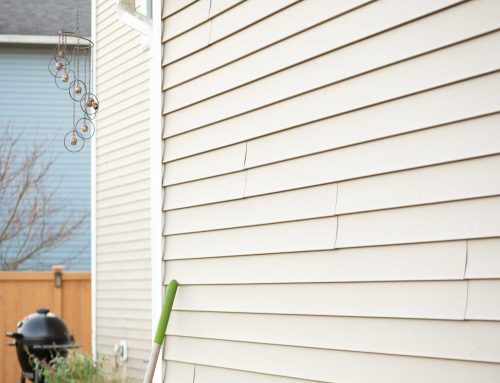
When planning your remodelling project, choosing between fibre-cement siding and vinyl siding is the most critical decision affecting your home’s long-term pest resistance. Standard vinyl siding is highly flexible and cost-effective, but its lightweight, hollow profile leaves open air pockets behind the panels where insects can easily nest. If a rodent chews through a vinyl corner post, it gains immediate access to the entire interlocking wall system. This makes vinyl more vulnerable to persistent pest invasions in heavily wooded areas.
In contrast, premium fibre-cement siding is manufactured from a heavy-duty blend of sand, cement, and natural cellulose fibres, creating an incredibly tough panel that pests cannot penetrate. This dense composite material sits completely flat against your weather barrier, eliminating the hollow pathways that pests use to travel up your walls. Fibre-cement is entirely immune to the moisture rot that naturally attracts boring insects, making it the superior choice for homeowners seeking a permanent structural cure. Combining this tough material with rigid metal starter strips along your foundation creates an airtight fortress that keeps pests out for decades.
Protecting Residential Assets Through Precision Sealing
Upgrading to an impenetrable exterior wall system is the only way to permanently end recurring pest invasions. Leaving brittle, loose panels on your home allows local wildlife to easily exploit structural gaps as the seasons change. Sealing your perimeter with high-density composite materials removes these hidden entry points completely. This aggressive design change stops rodents, wasps, and carpenter ants from nesting inside your wall cavities. Ultimately, it protects your wiring and structural framing from hidden, expensive subsurface damage.
Investing in a tough, insect-resistant outer barrier does more than shield your walls; it directly protects your indoor air quality and household hygiene. Synthetic and cement-based materials prevent wood-boring insects from tunneling out hollow nesting spaces inside your load-bearing framing studs. Eliminating organic exterior components removes the soft, damp environment that naturally attracts destructive pests straight toward your foundation. This complete exterior overhaul successfully cuts off hidden migration paths, giving you a clean, safe, and entirely pest-proof living space that preserves your property’s structural integrity for the long haul.