Managing a house in Canada means preparing for two completely different seasons. In the past, our building rules focused mostly on surviving freezing winter blizzards. Today, however, Canadian summers are becoming incredibly hot and humid. When the summer heat peaks, your home’s air conditioner has to work double-time. This extra workload often traps homeowners in a loop of very high electricity bills just to stay comfortable. Upgrading your home’s exterior siding is the best way to stop this costly cycle. This upgrade acts like a giant protective shield around your house, keeping the heat out and dropping your energy use.
To fix your home’s energy leaks, you have to look at your walls as a protective barrier rather than just decoration. Many homeowners regularly call a professional HVAC company to service their air conditioners or install smart thermostats. Yet, they completely ignore their massive exterior walls. If your walls do not have a solid layer of insulation, your cool indoor air escapes while outdoor heat forces its way inside. This constant heat leak makes your air conditioner work much harder and waste power. Upgrading your exterior cladding stops these hidden energy losses completely. This simple upgrade keeps your indoor air cool and comfortable while lowering your monthly bills.
The Quick Edit
- The Thermal Bridge Trap: Standard wooden wall studs act like heat highways, channeling outdoor summer heat straight past your internal insulation blankets.
- Continuous Insulation Shielding: Wrapping your exterior walls in solid rigid foam boards blocks thermal transfer before it ever reaches your wooden framing.
- Compounding Energy Savings: Sealing your home’s exterior envelope drops your daily cooling load, lowering your electricity bills and saving your AC from early failure.
The Thermal Bridge Phenomenon: How Framed Walls Subvert Interior AC
To understand why old walls drive up your energy bills, you need to look at how heat moves through a house. Most Canadian homes are built with wooden framing studs spaced 16 or 24 inches apart. Builders pack the empty spaces between these studs with fibreglass insulation. While this design works well in mild weather, it has a major weakness. Solid wood conducts heat much faster than fibreglass insulation. Because these wooden studs make up about a quarter of your total wall surface, a large portion of your home lacks a true shield against the sun.
During a hot summer afternoon, your exterior cladding absorbs intense solar heat. Because wood is a strong conductor, the framing studs act like thermal bridges. They pull the outdoor heat straight through the wall, bypassing your insulation and warming up your interior drywall. This constant transfer turns your interior walls into miniature radiators that pump heat into your living spaces. This leakage forces your cooling system to run long, frequent cycles to keep you comfortable. This continuous operation strains your equipment and spikes your power bills, a dynamic often listed among the most common siding problems linked to energy loss.
The Continuous Wrap: Eliminating R-Value Gaps via Premium Rigid Foam
The best way to stop thermal bridging permanently is to install a solid, unbroken layer of insulation underneath your new cladding. This advanced building technique requires attaching heavy-duty rigid foam sheets straight over your home’s wood sheathing before hanging your finishing panels. This step creates a true thermal break that completely isolates your wooden framing studs from the outside heat. It ensures uniform insulation across your entire home.
Investing in these smart exterior investments transforms your home from a leaky structural grid into an energy-efficient sanctuary. The continuous insulation layer acts like a protective blanket around your entire property, blocking heat transfer before it can ever reach your wood framing. This layout ensures your wall insulation stays highly effective across the entire surface. This upgrade keeps your living spaces cool and stable on the hottest summer afternoons. By smoothing out these thermal gaps, you reduce the workload on your air conditioner, helping it maintain a steady temperature with minimal energy use.
Regional Performance Profiles: Selecting the Ideal Cladding Matrix
Navigating the local renovation market requires balancing visual aesthetics with strict regional performance metrics. Choosing the best siding options for Ontario means selecting durable materials engineered to handle intense humidity shifts, rapid freeze-thaw cycles, and heavy summer rainstorms without expanding, warping, or cracking over time. Selecting high-density fibre cement upgrades is an excellent option for long-term reliability.
Fibre cement siding is an exceptionally durable composite material manufactured from a precise blend of sand, cement, and cellulose fibres. This heavy-duty substrate does not absorb solar heat energy like cheap dark plastics, helping to keep your exterior wall temperatures low. It is entirely immune to warping or buckling during intense summer heatwaves, providing a highly stable, fire-resistant, and impact-absorbing weather shield that looks pristine for decades.
Moisture Management Engineering: Balancing Thermal Performance with Airflow
When sealing a building envelope to maximize your summer energy efficiency, you must maintain proper moisture equilibrium inside your wall cavities. High indoor humidity from cooking, showering, and breathing naturally migrates outward through your walls. If your new exterior layers trap this airborne moisture inside the wall frame, it will condense into pools of water against your structural studs, causing hidden rot. To prevent this, professional installation crews always design a functional rain-screen gap directly behind your exterior siding panels.
Ensuring proper ventilation to extend the lifespan of your siding is a vital construction practice that protects your home from hidden moisture damage. Creating a continuous path for air to flow behind your exterior panels allows trapped humidity to evaporate out into the atmosphere before it can feed destructive wood-decaying fungi. This steady ventilation prevents your panels from buckling due to trapped heat, ensuring your exterior stays straight, strong, and highly efficient for its entire operational lifespan. This balanced approach guarantees your home enjoys maximum energy savings without compromising structural durability.
Secondary Capital Security: Eliminating Biological Vulnerabilities
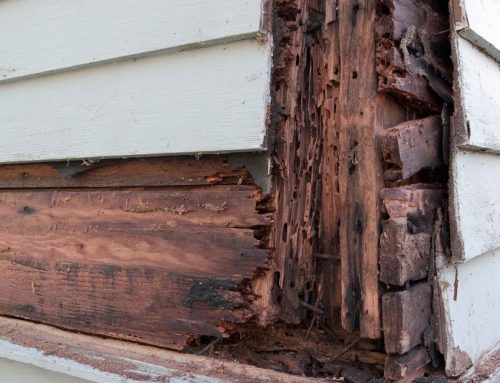
Tightening your home’s exterior envelope with insulated cladding brings massive secondary benefits. These advantages extend far beyond simple energy savings. As older, uninsulated vinyl siding ages, it often sags or pulls away from the wall joints. This movement creates loose seams and wide openings along your home’s perimeter. These open gaps allow seasonal pest issues to take root inside your exterior walls. Small rodents, bats, wasps, and carpenter ants routinely use these loose gaps to enter. They build hidden nests within your open wall cavities, where they quickly destroy your fiberglass insulation and chew through your structural wood studs.
This complete exterior seal also keeps outdoor allergens, dust, and environmental pollution from seeping into your living spaces. It blocks these particles from passing through your walls. Premium siding upgrades improve your home’s indoor air quality by blocking air leaks around your framing. This structural seal creates a healthier living environment for your household. This comprehensive protection shows that investing in high-quality exterior remodeling pays off in multiple ways. It successfully shields your structural framing, boosts your daily comfort, and saves you money on utility costs.
Securing Energy Efficiency Through Advanced Cladding
Upgrading your home’s exterior cladding is a highly effective way to permanently lower your summer energy costs. Leaving old, uninsulated panels on your walls forces your air conditioner to run constantly. It has to work much harder to fight off intense solar heat. Wrapping your home in a continuous insulation layer stops thermal bridging completely. It blocks heat before it ever reaches your wooden framing. This proactive structural change lowers your monthly utility bills. It also protects your cooling system from early mechanical breakdowns.
Investing in a premium, climate-tested envelope shields your home from extreme seasonal temperature shifts. It locks in cool indoor air during humid summer heatwaves. At the same time, it keeps out unwanted dampness and drafts. Choosing durable, high-performance materials prevents structural shifting over time. It also stops hidden moisture problems from warping your walls. This smart exterior renovation successfully secures your building envelope. The final result gives you a beautiful, comfortable, and exceptionally energy-efficient sanctuary for decades to come.