Investing in a high-quality exterior renovation completely transforms your property’s appearance. It establishes a crisp curb appeal that makes your home stand out in any neighbourhood. However, installing new exterior materials is only the first step toward securing your investment. To get the maximum financial return out of your new siding panels, you must commit to a disciplined, proactive maintenance routine. Taking care of your exterior walls preserves your home’s value and prevents small surface defects from turning into deep structural emergencies.
Many homeowners readily understand the importance of servicing their primary overhead defensive systems. They will call a professional roofing company at the first sign of a loose shingle or a dripping gutter track. Yet, these same property owners often completely ignore the vertical walls of their homes for decades. Your wall cladding works continuously to shield your living spaces from driving rains, freezing sleet, and intense summer sunshine. By learning how to care for these exterior surfaces properly, you can add decades of useful service life to your home’s envelope.
The Quick Edit
- The Drainage Clear: Keeping the tiny weep holes at the bottom edge of your panels clear of dirt, mulch, and insect nests prevents rot-inducing water from getting trapped inside your walls.
- The Washing Angle: When cleaning your exterior walls, always spray water downward at a gentle slope. Spraying upward forces water underneath the panel overlaps and ruins your insulation.
- The Movement Gap: Cladding needs to slide horizontally to handle temperature changes. Never pin panels tightly to the wall studs with nails, or they will buckle when the weather warms up.
Moisture Management: Protecting the Wood Substrate from Structural Rot
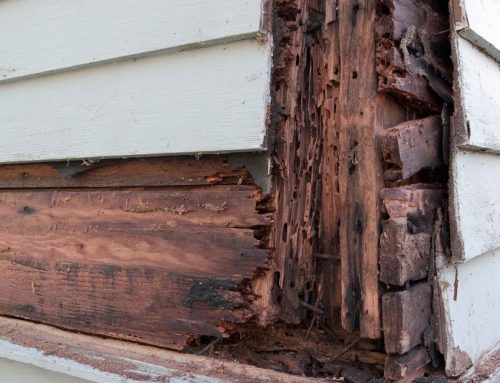
Water is the single most destructive force your home’s exterior walls will ever face. When your exterior envelope operates correctly, it sheds rain smoothly, keeping your underlying plywood sheathing bone dry. However, small installation mistakes or ignored surface wear can quickly alter this dynamic. If water manages to sneak past your primary shield, it will trap moisture against your home’s wooden frame.
Failing gutter systems represent a massive threat to your exterior wall integrity. When roof gutters clog with leaves and debris, heavy rain overflows past the back metal flashing. This cascading water spills directly down behind your siding boards, rotting out your structural framing from the inside out. This continuous water exposure is one of the main ways Canadian weather speeds up siding wear and tear cycles across local properties.
To prevent siding wood rot, you must inspect your home’s perimeter drainage paths twice a year. Make sure your downspouts direct rushing water at least six feet away from your exterior walls. Additionally, keep your landscaping soil sloped away from your foundation. Soil that touches your bottom starter strips draws groundwater straight into your framing, creating a path for wood-destroying fungi and expensive structural rot.
Breathing Spaces: Clearing Weep Holes and Maintaining Air Gaps
Many homeowners do not realize that vinyl and composite cladding panels are explicitly engineered to let water escape. If you look closely at the bottom edge of an exterior panel, you will notice a row of small, slotted openings. These openings are called weep holes. They serve two vital structural functions: they allow condensation to drain away safely, and they let fresh air circulate behind the walls.
Over time, these tiny openings become clogged with lawn clippings, heavy mulch dust, blown dirt, and small insect nests. When these blockages occur, the natural ventilation path behind your cladding is completely cut off. Any moisture that enters through small gaps becomes permanently trapped inside, leading to hidden mould growth and structural decay.
Devoting time to clearing siding weep holes is a critical part of home maintenance. During your spring cleanup, take a small, thin wire or a zip-tie and gently clear any debris out of these slots. Keeping these drainage paths open allows your walls to breathe naturally, which is an easy way to learn how to increase siding lifespan without spending money on professional repairs.
The Shifting Frame: Managing Thermal Expansion and Contraction
The Canadian climate is famous for its extreme seasonal temperature swings, which place immense physical stress on exterior building materials. A wall panel can experience a total temperature shift of over sixty degrees Celsius between a freezing January night and a hot July afternoon. This massive change forces cladding materials to expand and contract significantly.
To handle this movement, installers must hang panels loosely on the wall rather than pinning them down tightly. If you drive a nail completely flush against a panel flange, you lock the material in a rigid position. When the summer sun warms the wall, the expanding panel has nowhere to go. It will buckle, warp, and pull completely away from the wall studs, creating major air leaks.
This structural movement is why it is highly beneficial to hire a professional siding installer when updating your home. Experienced contractors use specialized gauges to leave a precise gap between the nail head and the siding flange. This small clearance allows your exterior panels to slide horizontally back and forth smoothly, preventing unsightly distortion and helping your home’s siding protect you from the elements through every season.
The Seasonal Cleaning Protocol: Safe Washing Tactics
Accumulated road salt, atmospheric dust, and tree sap can slowly ruin your siding’s protective clear coat over time. This grime layer holds onto moisture and accelerates sun damage, making your colours look old and faded. Giving your exterior walls a thorough wash once a year is an excellent way to maintain your home’s pristine curb appeal.
However, using incorrect cleaning techniques can cause more harm than good. Many homeowners turn their power washers to the highest pressure setting and blast water straight up the walls. This high-pressure stream forces water directly underneath the horizontal overlaps of your panels. This mistake completely floods your underlying house wrap and ruins your home’s wall insulation.
To wash your home safely, use a standard garden hose equipped with a multi-spray nozzle, or set your pressure washer to a low-pressure rinse mode. Always stand back and direct the water spray at a gentle downward angle. This downward motion mimics natural rainfall, allowing you to rinse away dirt safely without forcing water behind your protective weather barrier. This careful approach represents the core of effective vinyl siding upkeep tips.
The Comprehensive Canadian Home Exterior Maintenance Checklist
Executing a quick visual inspection twice a year helps you catch minor issues before they turn into major repair bills. Use this simple guide during your seasonal home maintenance walkthrough:
| Maintenance Task | Key Indicators to Check | Ideal Seasonal Timing |
|
Gutter Transition Audit
|
Check for loose downspouts, sagging tracks, and back-flashing water stains. | Late Autumn (Post-Leaf Drop) |
|
Weep Hole Inspection
|
Ensure bottom slots are clear of soil, mulch, and wasp nests. | Early Spring |
|
Seam Alignment Walk
|
Look down your walls for buckling panels, unlocked joints, or loose trim. | Mid-Summer (Peak Expansion) |
|
Low-Pressure Wash down
|
Rinse away winter road salt, dust, and stubborn spider webs. | Late Spring |
Protecting Your Remodelling Investment
Your home’s exterior cladding should function as a durable, low-maintenance shield that keeps your family safe and dry. However, even the most advanced materials require smart maintenance habits to withstand severe weather changes year after year. Clogged drainage paths, overflowing roof gutters, and incorrect cleaning methods will quickly cut your siding’s lifespan short. By taking a few hours each season to clear your weep holes, check your gutter alignment, and rinse away surface grime, you can protect your remodelling investment. This simple, consistent approach to Canadian home exterior maintenance ensures your home remains beautiful, dry, and structurally secure for decades to come.