When homeowners plan exterior home improvements, projects like a full window replacement or applying a fresh coat of paint are often top of mind. However, your exterior siding acts as the ultimate protective armour for your home’s framing and interior living spaces. It bears the brunt of constant environmental exposure, from scorching sun and driving rain to freezing winter blizzards.
While high-grade siding is engineered to last decades, many homes still suffer early structural breakdown, unsightly surface defects, and unexpected moisture intrusion. Premature failure rarely happens overnight; instead, it stems from a combination of environmental stress, installation errors, and neglected maintenance.
By understanding the root causes of siding failure, you can protect your investment, maintain your home’s energy efficiency, and prevent costly structural repairs long before damage spreads behind wall panels.
The Quick Edit
- Multi-Factor Decay: Premature failure isn’t just about rot; it includes UV fading, chalking, paint peeling, thermal warping, and fastener corrosion.
- Thermal Stress & Expansion: Failing to leave proper expansion gaps during installation causes panels to buckle, crack, and pull away from fasteners.
- Roofing & Envelope Integration: Uncontrolled roof runoff, missing kickout flashings, and clogged gutters concentrate water streams that degrade siding panels from the top down.
Understanding the Full Spectrum of Siding Degradation
When people think of siding failure, rotting wood is often the first image that comes to mind. However, premature degradation encompasses a broad range of physical, chemical, and structural defects that compromise both appearance and protection.
In blue or dark-colored siding, for instance, intense ultraviolet (UV) solar radiation breaks down surface pigments and binder resins. This leads to severe colour fading and a process known as chalking, where a powdery residue forms on the panel surface. As the protective topcoat breaks down, moisture penetrates the substrate, causing paint to bubble, crack, and peel away.
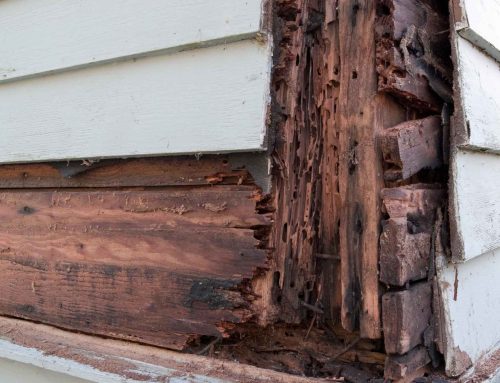
In composite or wood-based materials, water absorption causes edge swelling and delamination. Vinyl siding subjected to extreme thermal shifts can become brittle, leading to surface chipping and impact cracks from hail or lawn maintenance equipment. When these surface defences break down, water enters wall cavities, setting the stage for concealed timber rot, mould growth, and structural decay.
The Role of Climate and Material Selection
One of the primary drivers of early exterior failure is a mismatch between cladding materials and local weather conditions. Choosing the right siding for your region is essential to long-term performance, as different materials react uniquely to atmospheric stress.
In northern regions subject to harsh freeze-thaw cycles, porous materials absorb ambient moisture during milder afternoons. When temperatures drop below freezing at night, that trapped water expands, creating internal pressure that cracks fibre cement edges or causes wood fibres to separate.
In contrast, hot and sunny environments test a material’s thermal stability. Dark-colored vinyl panels absorb massive amounts of heat, expanding significantly during summer afternoons. If the material lacks UV stabilizers or proper thermal clearance, it will bow, twist, and warp permanently.
Carefully evaluating local rainfall levels, temperature ranges, UV intensity, and wind loads ensures that your chosen material can withstand nature’s forces without breaking down early.
Mechanical Installation Errors That Cause Early Failure
Even the highest-grade siding will degrade prematurely if it is installed incorrectly. Construction statistics show that a majority of early siding failures stem from installation errors rather than material defects.
To ensure long-term durability, homeowners must make sure their siding is installed correctly by qualified professionals who follow strict manufacturer specifications and local building codes.
1. Inadequate Expansion Gaps
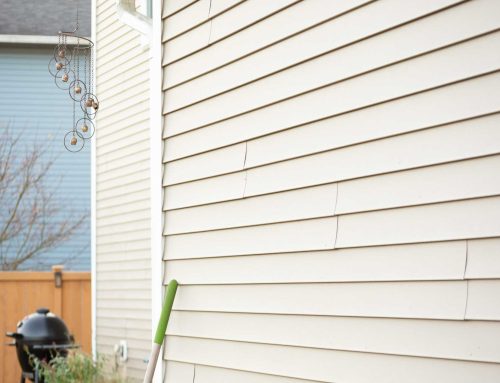
All exterior cladding materials expand and contract with seasonal temperature shifts. Vinyl siding, for example, requires clearance gaps at trim channels and corner posts to slide freely as temperatures change. If panels are nailed tightly against structural sheathing or cut too long, they will bind, buckle, and crack along fastener slots.
2. Over-Nailing and Improper Fastener Placement
Fasteners must be driven straight and centred within designated factory nail slots. Driving nails too tight traps the siding against the wall, preventing natural movement. Conversely, under-driving nails leaves heads protruding, which snags adjacent panels and allows wind to rattle cladding loose during heavy storms.
3. Omitted or Misaligned Joint Flashings
Where siding panels meet horizontally or vertically, joint flashings and weather-resistive barriers must overlap correctly. Leaving out seam flashings allows wind-driven rain to pass directly through panel joints, soaking the wall sheathing behind the cladding.
4. Insufficient Ground and Masonry Clearances
Installing siding too close to soil, concrete driveways, or rooflines exposes panel edges to continuous moisture. Rain bouncing off hard surfaces splashes dirt and water onto lower siding courses. Over time, capillary action draws water into the panel edges, causing paint peeling, swelling, and rot along the bottom of the wall.
How Roof Runoff Accelerates Siding Breakdown
Your exterior walls do not operate in a vacuum; they work alongside your roofing system to direct water safely away from your home. A failure in your roof’s water-management system directly accelerates siding degradation.
Your roof collects thousands of gallons of rainwater during a single storm. If your gutter system is clogged, damaged, or undersized, water overflows the eave troughs and cascades down the face of your siding. This continuous, high-volume stream strips away protective paint, erodes panel finishes, and forces water past lap joints.
Furthermore, missing or improperly installed roof flashings create severe localized siding damage:
- Missing Kickout Flashings: Where a sloped roof meets a vertical wall, a kickout flashing diverter is required to channel water into the gutter. Without it, roof runoff flows directly behind the siding, rotting wall sheathing and studs out of sight.
- Damaged Drip Edges: A faulty roof drip edge allows water to curl backward under the fascia board, running down the backside of the top siding panels and soaking the upper wall assembly.
- Overflowing Valley Drains: Concentrated water pouring out of roof valleys without splash guards overpowers lower siding courses, leading to early paint failure, surface chipping, and wood rot
By keeping your roof, gutters, and flashings in peak condition, you shield your exterior walls from unnecessary water stress and extend the lifespan of your siding.
Chemical Exposure, Maintenance Neglect, and Environmental Stress
Beyond weather and installation errors, everyday environmental factors contribute to premature siding failure. Recognizing these subtle hazards allows you to take preventive action before surface wear turns into permanent damage.
Planting shrubs, trees, and heavy vegetation directly against siding traps moisture against the wall face and blocks sunlight, preventing panels from drying after rainstorms. Vegetation also provides pathways for wood-boring insects and deposits organic debris that nourishes mould, mildew, and algae growth.
Additionally, harsh chemical cleaning products, uncalibrated pressure washers, and lawn mower debris cause severe physical damage. High-pressure water blasted upward underneath siding lap joints forces water past weather barriers and saturates interior wall cavities.
The Power of Early Intervention and Repairs
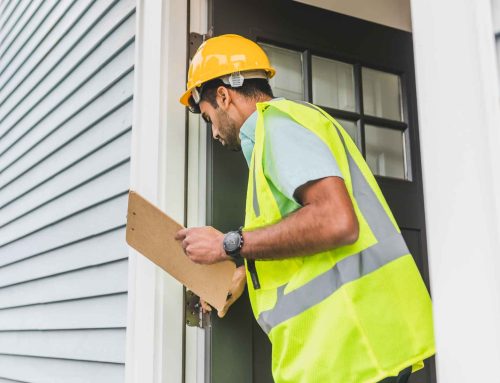
Catching surface wear early is the key to avoiding complete exterior replacements. Property owners who perform routine seasonal inspections can identify minor defects—such as hairline caulking cracks, loose fasteners, or chipped paint—before water penetrates the underlying building structure.
Recognizing that timely exterior siding repairs can avoid potential damage saves thousands of dollars in structural restoration costs over time.
Replacing a single damaged panel, touching up flaking paint, re-caulking window trim joints, or adjusting a tight fastener stops moisture intrusion in its tracks, preserving wall sheathing and internal insulation batts.
When evaluating replacement options or planning maintenance, choosing the right siding materials engineered for high durability ensures your home stays protected against the elements. Fibre cement, treated engineered wood, heavy-gauge aluminum, and insulated vinyl each offer unique performance advantages designed to resist cracking, fading, and decay.
Protecting Your Home’s Shell for the Long Haul
Your home’s exterior siding serves as its primary shield against nature’s toughest elements. Preventing premature degradation requires selecting climate-appropriate materials, demanding precision installation methods, maintaining proper roof drainage systems, and addressing surface wear promptly.
By taking a proactive approach to exterior care, you prevent hidden frame rot, preserve indoor thermal comfort, and ensure your home remains beautiful, energy-efficient, and structurally sound for decades to come.