When Canadian homeowners plan seasonal property upgrades, they naturally focus on the challenges brought by our notorious winter weather. We insulate attics, inspect heating systems, and make sure our heavy snow shedding systems are operational before the cold weather sets in. However, some of the most severe structural damage your home can experience occurs during the bright, long days of June, July, and August. Without proper solar protection, intense summer radiation can quietly destroy your exterior siding panels, creating hidden weaknesses that cause major failures during the winter.
Many property owners understand how to reinforce their homes from the ground up to handle extreme seasonal shifts. They readily invest in deep structural stabilizers or basement underpinning projects to secure their foundations against shifting frost lines, yet they leave their exterior walls completely vulnerable to solar energy. The truth is that long hours of direct summer sunlight break down clear coatings and degrade building materials. Understanding how solar loading affects your home allows you to fix minor surface wear before it turns into an expensive winter property disaster.
The Quick Edit
- The UV Bleach: Summer solar radiation breaks down the chemical polymers inside standard cladding, causing noticeable colour loss and creating a powdery white surface layer known as oxidation.
- The Reflection Melt: Modern high-efficiency windows on neighbouring houses can act like magnifying glasses, bouncing concentrated beams of radiant heat that warp or melt vinyl panels.
- The Cold Snap Crack: Siding materials that are baked and dried out by summer sun lose their natural flexibility, causing them to shatter easily when hit by freezing winter winds.
The Silent Bleach: Understanding UV Radiation and Siding Oxidation
The long summer afternoons common in the Canadian climate provide beautiful daylight, but they also expose your home’s exterior walls to massive amounts of ultraviolet radiation. This continuous solar exposure triggers a slow-moving chemical breakdown within your cladding material, a process known as photodegradation. This issue represents one of the primary reasons why home materials experience noticeable siding sun damage over time.
Ultraviolet rays possess high-frequency wavelengths that easily penetrate standard paint finishes and plastic formulas. As these rays hit the wall, they break up the chemical bonds of the pigments that give your cladding its vibrant colour. This molecular breakdown explains why dark exterior walls face an ongoing battle against colour loss, causing your siding to fade over time and leaving south-facing walls looking patchy and washed out compared to shaded areas.
As the chemical structure degrades further, the materials undergo a process called solar oxidation. This reaction leaves a distinct, dull, white powdery residue across the surface of the boards. This chalky film acts as a warning sign that the material’s protective top coat has completely broken down. Once oxidation takes over, the surface becomes highly porous, allowing dirt, airborne pollutants, and moisture to cling to the panels and making your home’s exterior look old and neglected.
Concentrated Solar Heat: The Hidden Threat of Low-E Window Reflections
Ultraviolet rays cause chemical bleaching. Meanwhile, infrared wavelengths cause severe thermal distortions across suburban neighbourhoods. A growing issue for property owners is a phenomenon known as vinyl siding melting from sun reflection leaks. This unique thermal problem occurs when highly reflective windows on neighbouring properties focus sunlight onto your exterior walls. These openings typically feature low-emissivity (Low-E) double or triple-pane glass.
Modern Low-E glass is engineered with microscopic metal layers. These layers are explicitly designed to bounce solar heat away from a home’s interior. Under specific conditions, changing barometric pressures can cause these multi-pane sealed glass units to bow slightly inward. This movement creates a concave shape. The resulting curvature turns the window into a powerful magnifying lens. It concentrates raw solar energy into a tight, intense beam of radiant heat.
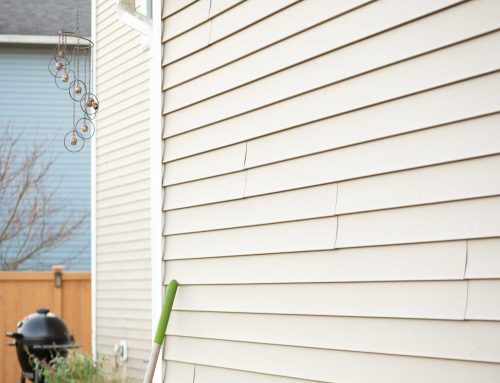
This focused beam eventually strikes standard vinyl siding panels on an adjacent home. When this happens, surface temperatures can quickly soar past 100°C. Standard vinyl has a relatively low heat deflection point. Because of this, the intense heat causes the plastic panels to soften, warp, bubble, and melt along their tracks. This severe distortion creates large, open entry pathways for water to sneak past your primary weather barrier. These leaks end up drastically inflating your expected warped siding replacement costs.
Thermal Shock: Why Sun-Baked Siding Shatters in a Canadian Winter
The most dangerous aspect of summer solar degradation is how it directly sets up your home for catastrophic structural failures during the winter. To perform well in a varied climate, exterior cladding must maintain its structural flexibility. It needs to expand and contract smoothly as temperatures transition from hot summer afternoons to freezing winter nights.
Continuous summer sun exposure strips away the essential oils and plasticizers that keep your cladding material pliable and resilient. This loss of elasticity creates a major vulnerability when analyzing Canadian climate exterior building materials performance metrics. Over the course of a hot summer, your siding panels become incredibly dry, fragile, and brittle at a molecular level.
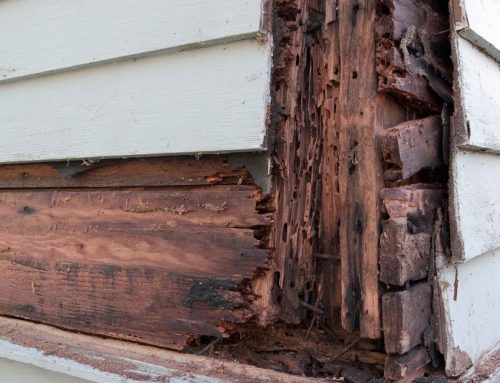
When winter arrives and temperatures drop below freezing, this sun-weakened material completely loses its ability to flex. When high winter winds hit your walls or frozen tree branches strike the brittle panels, the cladding cannot absorb the impact. Instead of flexing safely, the sun-baked panels instantly crack, fracture, or shatter into pieces. These open fractures leave your home’s underlying wood sheathing completely bare, allowing melting snow and freezing rain to cause severe, hidden wood rot all winter long.
Remedying Solar Fatigue: Strategic Fixes and Advanced Materials
Fortunately, property owners can use several effective restoration strategies to fix solar wear. If you catch the problem early, when only a light layer of white oxidation powder is present, you can learn how to repair sun-damaged siding using basic cleaning techniques. Spray the affected walls with a mixture of water, biodegradable soap, and a small amount of vinegar, then gently scrub away the chalky oxidation layer using a soft-bristle brush.
Maintenance Insight
Routine surface cleaning removes harmful oxidation powder before it can permanently pit and scar your cladding. Dedicating time to this task helps extend the siding’s lifespan and protects your exterior finish from premature cracking.
However, if the solar heat has already caused the panels to warp, melt, or crack, cleaning will not solve your problem. You must remove the compromised sections completely to protect your home’s envelope. When exploring replacements, look at modern materials engineered with advanced acrylic formulations or heavy-duty mineral composites. These high-performance materials use UV-stable colour technology that naturally reflects solar radiation, ensuring your exterior walls stay perfectly straight and colourful for decades.
Managing Your Entire Exterior Profile: Aluminum and Structural Maintenance
When checking your home’s exterior walls for solar wear, it is important to remember that different materials fail in completely different ways. For example, if your home features metal cladding, you will not have to worry about panels melting or warping from window reflections. Instead, you must monitor for common causes of aluminum siding damage, such as heavy oxidation, chalking, paint peeling from thermal expansion, and unsightly dents from hailstorms.
Maintaining a resilient home requires a complete, balanced approach to your property care. Prioritizing consistent siding maintenance for long-lasting durability ensures that every part of your home’s exterior remains strong and secure. Taking the time to check your wall joints, rinse away surface oxidation, and fix small cracks early creates a tight weather barrier that easily withstands both intense summer heatwaves and freezing winter blizzards.
Siding Solar Performance Reference Guide
Understanding how different materials respond to solar heat helps you make smart choices for your next renovation project:
| Material Type | Solar Failure Profile | Long-Term UV Maintenance Needs |
|
Standard Vinyl |
High risk of melting from window reflections; prone to warping and fading. | Annual wash down to clear oxidation; eventual replacement of warped panels. |
|
Premium Acrylic |
Highly resistant to distortion; features built-in solar heat shields. | Minimal care needed; simple water rinse once a year to clear surface dust. |
| Fiber Cement | Zero risk of melting or warping; entirely stable under extreme heat. | Requires a fresh coat of high-quality paint every fifteen years. |
| Aluminum Planks | Immune to melting; prone to surface oxidation and finish chalking. | Periodic cleaning and eventual repainting with specialized exterior coatings. |
Breaking the Seasonal Failure Loop
Your home’s exterior siding should function as a reliable, year-round shield, but it requires strategic care to stay effective through changing seasons. Intense summer sun exposure will continuously work to bleach your colours, oxidize your finishes, and warp your panels through focused window reflections. If left ignored, these summer defects turn into major structural vulnerabilities that lead to shattered panels and water leaks once winter weather arrives. By taking a proactive approach to surface cleaning and upgrading to advanced, heat-resistant materials, you break this seasonal failure loop and secure a dry, beautiful, and highly efficient home for decades to come.