Aluminum siding is a fantastic alternative for homeowners looking for long-lasting and aesthetically pleasing siding for their homes. There are various common sources of aluminum siding damage that homeowners should be aware of, ranging from weather damage to incorrect cleaning and impact. Below are the top five causes of aluminum siding deterioration and offer practical solutions for avoiding them. By taking preventative actions to safeguard your siding, you can keep it in good shape while also increasing the curb appeal and value of your home, something any real estate agent will emphasize when it comes time to sell.
1. Severe weather
Due to its longevity and ease of maintenance, aluminum siding is a very popular option among homeowners. On the other hand, extreme weather conditions might damage your siding, leaving it compromised, scraped, or even torn. High gusts, hail, and heavy rain are frequent causes of aluminum siding damage. These conditions can be extremely harmful when they occur in combination. When severe winds are combined with hail, the force of the hailstones on your siding can cause substantial damage. Fortunately, you can take precautions to safeguard your aluminum siding from harsh weather. Investing in storm shutters is one of the most effective alternatives. Storm shutters are intended to give an extra layer of protection to your property during severe weather. They can help protect your siding from flying debris, hail, and other possible damage. In addition to investing in storm shutters, frequent cleaning and maintenance can assist in avoiding sunlight damage.
Sunlight exposure could lead your siding to fade and discolor over time. Cleaning using a mild detergent and a soft-bristled brush on a regular basis will help eliminate dirt and debris that might cause discoloration. Furthermore, adding a UV-resistant coating to your siding could help to avoid damage caused by prolonged solar exposure.
2. Improper cleaning methods
Keeping your aluminum siding in excellent condition can be a difficult undertaking, especially when it comes to cleaning. Maintaining a regular cleaning plan is critical to preventing the accumulation of dirt, grime, and other debris that can cause significant damage to your siding over time. However, poor cleaning practices can be just as destructive as dirt and grime buildup. It is crucial to understand that utilizing abrasive cleansers or pressure washers might result in substantial siding damage. These methods can chip and dent your siding, making it prone to further damage and shortening its lifespan. As a result, it is important to utilize the proper cleaning methods to keep your aluminum siding looking its best.
It is advisable to clean your siding using a soft-bristled brush and a light detergent. As mentioned, a soft-bristled brush can prevent scratches and dents while removing tenacious dirt and grime from your siding. Furthermore, using a light detergent is critical since strong chemicals can cause discoloration or even peel the paint off your siding. If you want to clean your siding with a pressure washer, take steps to avoid damage. To begin, use the lowest setting possible to prevent exerting too much pressure on your siding. To minimize any damage, keep the nozzle at least 12 inches away from your siding. It is also important to consider the sort of pressure washer you are using since some types are more powerful than others.
To keep your siding in good condition, it is essential to follow a regular cleaning routine in addition to using the proper cleaning methods. You should clean your siding at least once a year, and more regularly if you live in an area with high levels of pollution or heavy rainfall. Keeping your siding clean will not only keep it looking good but will also assist avoid more serious issues like corrosion and rust.
3. Impact damage
Aluminum siding is a long-lasting and robust option for your home’s exterior. However, it remains vulnerable to damage from various factors, including impact. This type of damage can come from several sources. Fallen trees, rocks thrown by lawnmowers, and stray baseballs can all dent your exterior. While these issues may seem unavoidable, you can take proactive steps to prevent them. Installing a protective barrier around your property is one of the most effective prevention strategies. A sturdy fence or a thick hedge can easily absorb the impact of flying objects. By adding this layer of protection, you considerably reduce the risk of damage to your aluminum siding, windows, and doors.
In addition to building a barrier, you should keep your yard clear of loose debris. Strong winds can easily pick up branches or pebbles and toss them against your house. Regularly clearing your lawn eliminates these hazards before a storm hits. It is also important to stay aware of potential environmental threats. If you live in a heavily wooded area, trim your trees on a regular schedule. This keeps heavy branches from breaking and falling onto your siding. Finally, if your children play sports, encourage them to play away from the house. This simple boundary prevents stray balls or pucks from causing costly cosmetic damage.
4. Moisture damage
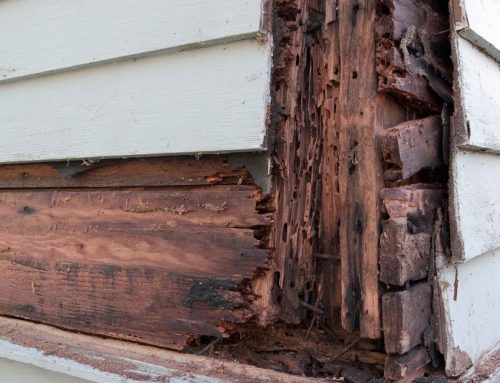
Moisture that enters behind the siding can cause mold development, decay, and other problems that are difficult to identify until substantial damage has happened. Fortunately, there are simple steps you can take to avoid moisture damage and keep your siding in good shape for years to come. To avoid moisture damage, make sure your siding is properly sealed and caulked. Water will not be able to penetrate behind the siding and cause damage as a result of this. Inspect your siding on a regular basis for signs of deterioration or wear, such as cracks or holes that might allow rainwater to infiltrate behind the siding.
If you do detect any problems, it is critical that you treat them as soon as possible to avoid further harm. Installing a moisture barrier behind your siding is an excellent approach to avoid moisture damage. This barrier serves as an extra layer of defense, keeping water from penetrating under the side and inflicting harm. A moisture barrier can be built as part of the initial siding installation or as part of a following renovation project.
5. Improper installation
The most common cause of aluminum siding damage is improper installation. When siding is placed incorrectly, it can easily become loose, shift out of place, and develop gaps or fractures. These openings allow moisture to leak behind the panels, causing severe structural damage to your property. To avoid this costly issue, it is critical to hire an experienced siding contractor for the job. A professional has the exact skills, knowledge, and tools required to handle the material correctly. They will ensure your siding is installed in strict accordance with both manufacturer standards and local building codes. Furthermore, expert contractors use appropriate techniques and high-quality fasteners to secure the panels, ensuring your exterior remains locked in place and does not shift over time.
An experienced siding contractor can also discover and correct any problems that develop throughout the installation process. This means that any gaps or fractures that may have formed during the installation process will be discovered and repaired before they cause further damage to your home. When it comes to aluminum siding installation, it is not worth the risk to do it yourself. Specialized tools, knowledge of local construction requirements, and the expertise to ensure a secure, long-lasting installation are required for proper installation. Hiring a skilled siding contractor is the best method to ensure that your aluminum siding is installed correctly and will last for many years.
Aluminum siding is a fantastic alternative for homeowners looking for long-lasting and aesthetically pleasing siding for their homes. However, it is essential to be aware of the most prevalent causes of aluminum siding damage and to take proactive measures to avoid them. With a little time and work, you can improve the curb appeal and value of your property by installing attractive and long-lasting aluminum siding.