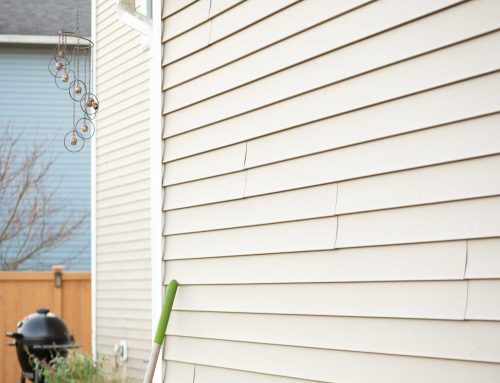
The long-range weather forecast for late April 2026 suggests that the Canadian “Big Thaw” is about to accelerate. Meteorologists are predicting a swift transition from these final lingering flurries to a period of heavy, sustained rain. This means the true condition of your home’s exterior is about to be revealed. As the ground softens and the snowbanks recede, you will likely notice the debris left behind by winter storms. You might already be planning seasonal tasks like driveway power washing or catch basin cleaning to handle the upcoming deluge. However, your siding should be the very top priority on your list.
The Canadian winter is a brutal endurance test for any building material. Between howling winds, freezing rain, and heavy ice, your home’s “skin” has likely taken a significant beating. Performing a strategic audit now, before the heavy rains of May set in, is the best way to prevent small issues from turning into massive repair bills. By following this 10-point checklist, you will ensure your home remains protected and beautiful through the wet weeks ahead.
Phase 1: The Perimeter & Junction Check
1. The Roof-to-Wall Junction
Start your inspection at the highest point: where your siding meets your roofline. This is a critical transition zone that bears the brunt of melting snow. Check the metal flashing designed to direct water away from the walls and into the gutters. If this flashing has been loosened by ice or heavy winds, water will run directly behind your siding panels. This is the primary entry point for trapped moisture. When water gets behind the barrier at this height, it travels down the entire height of your wall, causing “hidden rot” in the sheathing that you won’t see until the damage is irreversible.
2. J-Channel Debris and Grit
The J-channels are the trim pieces that frame your windows and doors. They act as tracks for the siding, but they also function as catch-alls for winter grit, salt, and organic debris. Over the winter, wind-blown sand and dirt can clog these channels. If they are blocked, they cannot drain water effectively, leading to overflow into the wall cavity. Use a soft brush or a low-pressure garden hose to clear these tracks. This simple maintenance step helps maintain the look of your siding for many years by preventing abrasive dirt from scratching or staining the finish.
3. Panel Alignment and “Sliding”
Walk back from your home and look at the horizontal lines of your siding. Do they look straight and uniform? Canadian winters feature extreme weather that speeds up siding wear, particularly through thermal expansion and contraction. Sometimes, the rapid shift from deep freezes to sudden thaws causes panels to contract so much they pop out of their vertical tracks or pull away from the corners. If you see gaps at the edges or overlapping sections that have separated, your home is currently vulnerable to wind-driven rain.
Phase 2: The Physical & Tactile Audit
4. The Tactile “Flex” Test
Vinyl and composite sidings are designed to have a bit of “give” to handle temperature shifts. Gently press on the panels in various spots around the house. They should feel firm but slightly flexible. If the siding feels brittle or if you hear a cracking sound when applying light pressure, the material may be reaching the end of its lifespan. Brittle siding is highly prone to shattering during spring hailstorms or being punctured by wind-blown debris. Catching this early allows you to plan for a replacement before a major storm creates a water-entry emergency.
5. Checking the Transition Seals
The caulking around your windows, doors, and dryer vents is your home’s secondary seal against the elements. Winter cold is brutal on caulk; it causes the material to shrink, crack, and pull away from the surfaces it is meant to protect. Inspect these beads of sealant closely. If you see gaps or “alligatoring” (fine cracks), it is time to scrape away the old material and apply a fresh, high-quality sealant. This is a vital part of your spring siding inspection and is the easiest, most cost-effective way to prevent localized leaks.
6. Fastener Security
Siding is usually “hung” on nails rather than nailed tight to allow for movement. However, the constant “heaving” of a Canadian winter can sometimes cause these nails to “back out” of the wood studs. If you notice a panel that feels loose or “rattles” excessively in the wind, a fastener may have come loose. A loose panel can easily be ripped off during an April windstorm, leaving your home’s substrate exposed to the elements. Secure these now to prevent a small fix from becoming a missing-panel crisis.
Phase 3: Biological & Long-Term Wear
7. The “North Side” Algae Check
In Canada, the north side of a house gets the least sunlight and stays damp the longest after a thaw. This creates a perfect environment for green algae or black mildew to flourish. Inspect these shaded areas for any fuzzy or discoloured patches. While this is often seen as an aesthetic issue, it can also indicate that the area isn’t drying out properly between storms. Cleaning this off early in the spring prevents the growth from spreading and helps you keep a timeless siding look that maintains your home’s overall value.
8. The Chalking and UV Test
Rub your hand firmly against a siding panel on the side of the house that gets the most sun. Does a powdery, chalk-like residue come off on your palm? This “chalking” happens when the resin in the siding breaks down due to years of UV sunlight exposure. While a little chalking is expected on older homes, excessive powder means the protective outer layer is gone. Once siding begins to chalk heavily, it becomes porous and holds onto dirt more easily, making it difficult to keep clean. This is a sign that the material’s structural integrity is fading and its protection is waning.
Phase 4: Drainage & Foundation Safety
9. Weep Hole Obstructions
The bottom edge of your siding panels contains small, manufactured openings called “weep holes.” These are specifically designed to let trapped moisture escape from the space behind the siding. During the early spring, insects often try to build nests in these small, protected openings. Use a small wire or a toothpick to ensure these holes are clear. If they are blocked, any water that gets behind the siding stays there, creating a “vapour trap” that leads to mould growth and rot in your home’s framing.
10. Splash-Back Assessment
Finally, check the bottom 18 inches of your siding near the ground. During the spring thaw and heavy April rains, water splashes up from the soil or pavement with significant force. This “splash-back” carries minerals, salts, and microorganisms that can stain or “bruise” the siding material. If you notice heavy staining or signs of moisture wicking at the base of your home, it may be time to adjust your downspouts or add a stone border to soften the impact of falling water and protect the bottom of your wall system.
Preparing for the Seasons Ahead
A Canadian home is a massive investment, and protecting it requires a vigilant eye on the exterior. This 10-point audit is designed to help you spot the “invisible” damage that winter leaves in its wake. By catching these issues in April, you will avoid the high costs of emergency repairs during the peak summer storm season. Your proactiveness ensures that you maintain the look of your siding for many years and keep your home’s equity secure.
Whether you are simply clearing out J-channels or identifying areas where trapped moisture has begun to compromise your sheathing, your effort pays off in long-term durability. Remember, the goal of a spring siding inspection isn’t just to find problems—it’s to provide you with peace of mind as the weather turns.
If your audit reveals multiple panels that are loose, brittle, or severely faded, it might be time to consult a professional. While DIY maintenance is excellent for extending the life of your exterior, sometimes the weather that speeds up siding wear simply wins the battle of time. Investing in high-quality repairs or a modern siding upgrade now will ensure your home keeps that timeless siding look and remains a dry, comfortable sanctuary for your family, regardless of what the Canadian climate throws your way. Take a walk around your property this weekend; your home will thank you for the attention.