The desire for a home that looks like it belongs in any decade is a powerful motivator for Canadian homeowners. We often admire the character-filled homes of the past for their architectural dignity and “evergreen” curb appeal. However, maintaining these structures requires a holistic approach to the exterior. Just as a homeowner might prioritize a roof repair to stop an active leak, they must also address the long-term health of their walls. Your siding is the primary layer of this defence. It acts as the skin of your home’s protective envelope. When you choose the right materials, you create a residence that feels grounded in tradition. You also prepare it for the environmental challenges of the next thirty years. This balance of heritage aesthetics and modern science is what defines a truly “timeless” exterior in 2026.
The Evolution of the Horizontal Lap
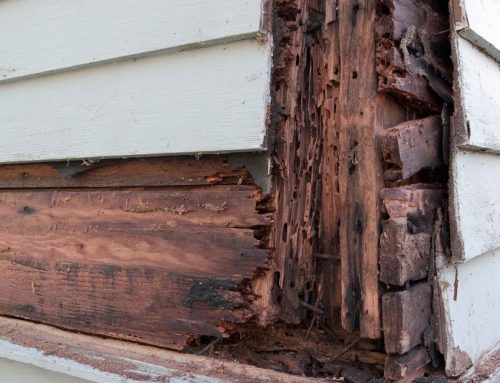
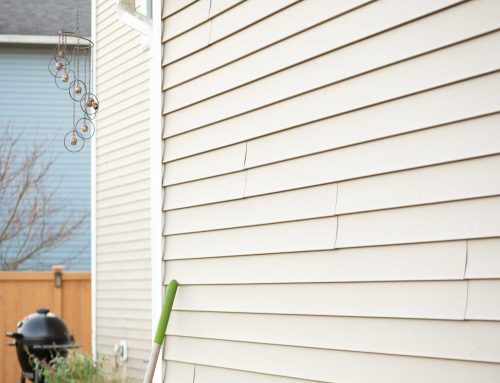
The classic 4-inch or 7-inch “clapboard” look remains the gold standard for residential architecture. For over a century, horizontal laps have defined the Canadian suburbs. They offer a sense of order and structural rhythm. Modern composites and fibre cement now replicate the deep grain and organic texture of natural wood with startling accuracy. Unlike real wood, these advanced materials do not absorb moisture. This prevents the rot and fungal growth that plague older installations. This allows homeowners to enjoy the warmth of a “wood” exterior without the constant anxiety of material degradation. It is the perfect marriage of historical charm and high-performance engineering.
Achieving this look also requires a focus on modern installation techniques. Professional crews often use “blind nailing” to hide fasteners. In the past, visible nail heads were a common sight on exterior walls. These often led to rust streaks over time. Modern systems use hidden fasteners and interlocking joints to preserve clean, uninterrupted lines. This technical shift ensures that the focus remains on the beauty of the profile. By choosing a high-quality horizontal lap, you are investing in siding that can protect you from the elements. This attention to detail ensures that the home looks as good up close as it does from the street. It maintains a flawless finish regardless of the season.
Material Science: Engineering for the Canadian Climate
The primary challenge for any exterior material in Canada is “dimensional stability.” As temperatures swing from -30°C to +30°C, most materials expand and contract. This causes gaps to open or panels to buckle. Traditional vinyl and natural wood are particularly susceptible to these shifts. They lead to air leaks and moisture intrusion over time. 2026 composite materials are engineered with a low coefficient of thermal expansion. They remain perfectly still throughout the year. This stability ensures that the caulking and seals around your windows and doors remain intact. It turns your home into a rigid, unyielding barrier against the wind and driving rain.
Homeowners are also moving away from the five-year repainting cycle. Traditional heritage wood homes require constant upkeep. Modern siding features “baked-on” colour technology. This is molecularly bonded to the substrate during the manufacturing process. This creates a finish that is incredibly resistant to UV fading. It also resists surface scratching from hail or debris. Your siding should remain vibrant and pristine without any intervention from a paintbrush. This durability is essential for maintaining a “classic” look. Nothing ages a home faster than peeling paint or sun-bleached panels. Investing in superior material science is the only way to ensure your home’s character remains protected.
Beyond the Main Wall: Trim and Texture
A timeless design is rarely about a single material. It is about how different elements interact to create a cohesive whole. The role of trim, fascia, and soffits is critical. These define the architectural boundaries of your home. In 2026, designers are using high-performance trim boards. These match the lifespan of the primary siding. If the trim fails before the walls do, the entire moisture-management system is compromised. By using matching composite trims, you create a “whole-home” seal. This prevents water from entering vulnerable corners and transitions. This comprehensive approach separates a basic renovation from a professional-grade upgrade.
To add historical character, many homeowners are reintroducing shakes or shingles. These are often used in gables and dormers. These textures provide a visual break from horizontal lines. They pay homage to traditional craftsmanship. Modern versions of these shingles are often moulded from real wood templates. They capture every knot and split in the grain perfectly. However, they are composed of fire-resistant and pest-resistant polymers. These far outlast their Victorian ancestors. When you combine these accents with the main wall, you create a multi-dimensional look. It is these subtle shifts in texture that draw the eye and make a property stand out.
The Rise of Verticality and Structural Shadow
While horizontal lines are traditional, vertical profiles are making a significant comeback. High-end Canadian designs frequently feature verticality. The use of board-and-batten siding panels allows for a sense of height. It creates a structural “heaviness” that horizontal laps cannot achieve. This style was originally used for functional outbuildings. It has since evolved into a sophisticated residential choice. The vertical “battens” create deep shadow lines. These change throughout the day as the sun moves. This dynamic play of light and shadow gives the home a sense of life. It is a perfect example of how a “timeless” style can be adapted for a modern context.
Choosing vertical panels also offers practical benefits for water runoff. This is especially true in areas with heavy snowfall. Because the seams run vertically, gravity pulls moisture away more efficiently. This reduces the risk of ice damming against the siding during the spring melt. For homeowners looking to make bold siding choices, mixing profiles is a popular 2026 trend. You can use vertical and horizontal panels on different sections of the house. This “hybrid” look respects traditional silhouettes while pushing the boundaries of curb appeal. It creates a custom, curated appearance that signals a high level of care.
Protecting and Building Your Equity
The ultimate goal of any major exterior renovation is financial. You want to increase your home’s resale value over the long term. Buyers in 2026 are highly educated. They prioritize low-maintenance and energy-efficient features above almost everything else. A home with a timeless look but modern materials is the safest investment on the market. It appeals to a wide range of tastes. It also provides the peace of mind that no major repairs will be needed. When a prospective buyer sees a pristine exterior, they perceive the entire home as being well-maintained. This psychological “halo effect” can significantly shorten your time on the market.
Furthermore, a durable exterior reduces the “hidden” costs of homeownership. These include rising insurance premiums and emergency repairs. High-performance siding is often rated for high wind loads and impact resistance. This can lead to lower insurance rates in some regions. By eliminating the need for frequent painting, you save thousands of dollars in labour. This makes the initial investment in premium siding much more palatable. You are not just buying a look. You are buying a financial buffer against the rising costs of maintenance. It is a strategic move that pays dividends every single month through higher equity.
A Legacy of Performance
Achieving a timeless look in 2026 is no longer about looking backward. It is about using the best of the present to protect the future. By combining classic silhouettes with advanced material science, you create a home that is both beautiful and resilient. Whether you choose traditional horizontal laps or modern vertical panels, the focus must remain on the integrity of the thermal barrier. A high-performance exterior is the most effective way to ensure your home remains a sanctuary. When you prioritize durability and design equally, you leave a legacy of quality. Your home deserves a shell that is as enduring as the memories you build inside of it.