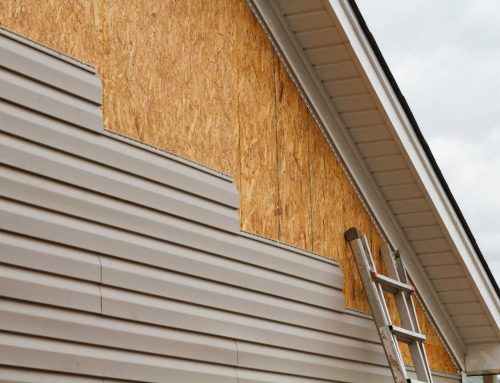
In Canada’s demanding climate, exterior materials must withstand freeze–thaw cycles, wind-driven rain, and prolonged cold exposure. Siding is more than a cosmetic layer; it plays a critical role in protecting the structure beneath it. Homeowners often focus on roofing when thinking about exterior durability, but siding installation quality is just as important for long-term protection. Even high-quality materials can underperform if workmanship standards are not met. Understanding what proper installation looks like helps homeowners evaluate whether their exterior is built to last.
Correct installation ensures siding performs as part of the larger building envelope system. When panels are aligned, fastened, and sealed properly, they resist moisture intrusion and structural stress. In contrast, subtle installation errors can compromise protection over time. Canadian weather tends to reveal weaknesses quickly. Recognizing the signs of quality workmanship provides confidence that the exterior will perform reliably through harsh seasons.
Even and Secure Panel Alignment
One of the clearest signs of proper installation is consistent panel alignment. Siding should appear straight across horizontal lines, with no visible rippling or uneven spacing. Panels must be installed with slight allowance for expansion and contraction, especially in climates with significant temperature swings. When correctly aligned, siding maintains a clean and uniform appearance throughout the seasons. Proper spacing prevents stress that can lead to distortion during freeze–thaw cycles.
If panels appear wavy or misaligned, it may indicate fastening or spacing issues. Over time, these small irregularities can evolve into larger performance concerns. Uneven installation increases the likelihood of moisture infiltration behind the panels. A well-executed system reflects careful attention to expansion tolerance and structural stability. Clean, straight lines often signal that installation standards were followed properly.
Proper Fastening Technique
Fastening technique plays a critical role in siding performance. Panels should be secured firmly without being over-tightened, allowing them to move slightly as temperatures fluctuate. Overdriven nails restrict natural expansion and can cause buckling over time. Proper fastening patterns also distribute structural stress evenly across the wall surface. This flexibility is especially important in climates where seasonal shifts are significant.
When fastening is done correctly, siding remains stable without appearing rigid. Panels should not feel loose, but they should have enough movement to accommodate thermal changes. In contrast, poor siding installation often reveals itself through warped panels or stressed nail heads. Improper fastening can accelerate deterioration and reduce long-term durability. Careful fastening methods are a strong indicator of workmanship quality.
Clean, Properly Installed Flashing
Flashing is one of the most important yet overlooked components of exterior protection. Properly installed flashing directs water away from vulnerable areas such as windows, doors, and wall penetrations. In Canadian climates, where melting snow and wind-driven rain are common, flashing must function reliably throughout the year. Cleanly cut and properly layered flashing helps prevent moisture from entering behind the siding. When installed correctly, it works quietly in the background to protect structural components.
Poor flashing installation can lead to hidden water damage that remains unnoticed for years. Even minor gaps around openings can allow moisture intrusion during storms. In cases of aluminum siding damage, corrosion and staining near seams may signal that flashing was not installed correctly. Proper flashing ensures water is diverted safely away from framing and insulation. A well-protected exterior demonstrates careful attention to moisture management.
Adequate Ventilation Behind Siding
Proper siding systems include space for ventilation and drainage behind the panels. This gap allows any incidental moisture to dry rather than becoming trapped against structural materials. In cold climates, managing condensation and meltwater is critical to preventing long-term damage. When siding is installed with a functional drainage plane, it reduces the risk of mould and rot. Ventilation supports the overall durability of the exterior wall assembly.
Without adequate airflow, moisture can accumulate unnoticed. Over time, trapped dampness weakens sheathing and insulation performance. Correct installation ensures siding functions as part of the complete building envelope, rather than as a decorative surface alone. Allowing for proper drying cycles strengthens structural protection. Effective ventilation is a strong indicator that the siding was installed with long-term performance in mind.
Seamless Integration with the Building Envelope
Proper siding installation should integrate smoothly with the rest of the wall system. Siding is not meant to function alone; it works in coordination with insulation, air barriers, and moisture control layers. When installation is done correctly, transitions around windows, doors, and rooflines appear tight and consistent. Each layer supports the next, creating a unified protective system. This continuity strengthens the home’s resistance to moisture and temperature fluctuations.
When siding is installed without considering the full wall assembly, vulnerabilities can develop. Gaps at transition points or poorly sealed edges compromise protection over time. Correct integration ensures long-term structural stability and improved energy performance. Attention to detail during professional siding installation helps maintain this continuity. A properly integrated exterior system performs reliably through harsh Canadian seasons.
No Visible Gaps, Warping, or Loose Edges
A properly installed siding system should sit evenly against the wall with no noticeable separation at seams or corners. Panels should not appear overly tight or overly loose, as both conditions can create long-term issues. Seasonal movement is expected, but visible buckling or distortion may indicate installation errors. Edges and trim pieces should align cleanly without exposed gaps. Consistent finishing details are often a reliable sign of quality workmanship.
When siding is secured correctly, it maintains both flexibility and structural integrity. There should be no early signs of stress near fasteners or along panel edges. Exterior surfaces should remain stable despite freeze–thaw cycles and seasonal shifts. Visual consistency across the facade suggests attention to installation standards. Clean finishing and balanced tension reflect a well-executed siding system.
Installation Quality Determines Long-Term Siding Performance
In Canadian climates, siding must withstand moisture, wind, and significant temperature variation. When installed correctly, it functions as a durable protective layer within the larger exterior system. Proper alignment, fastening, flashing, and ventilation all contribute to lasting performance. Attention to installation details reduces the risk of structural damage and premature deterioration. Evaluating workmanship quality ensures the exterior will perform reliably for years to come.