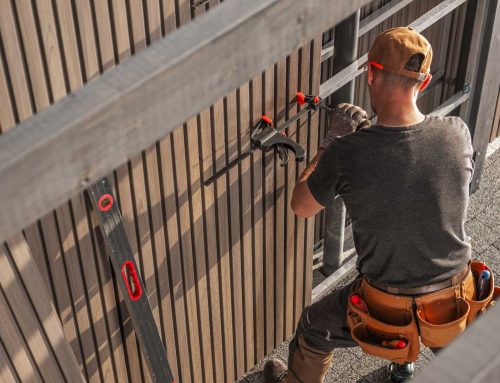
The assessment of a home’s energy efficiency often begins and ends with the attic and the windows. This common focus overlooks the fact that a home’s comprehensive thermal performance is influenced by far more than insulation and glass alone. The entire structure, known as the building envelope, must work as a continuous system to resist heat transfer. The siding is the outermost, critical shield of this envelope. It is the first line of defence against the harsh Canadian elements. Its condition dictates the efficiency and longevity of every component underneath it.
This is why a diligent real estate agent evaluates siding closely when assessing a property’s long-term comfort, efficiency, and overall condition. They recognize that deteriorated cladding signals potential problems deeper within the wall assembly. This article explains why properly installed siding plays a critical role in whole-home thermal performance. It explores how this exterior layer controls heat loss, limits air infiltration, and protects the underlying insulation from damaging moisture. Siding is a key factor in maintaining a stable, energy-efficient, and resilient home.
The Siding’s Primary Functions in the Thermal Envelope
One of the most crucial roles siding plays in thermal performance is the control of air infiltration. While the wall cavity is filled with insulation, air leaks—drafts—through gaps, joints, and penetrations remain a major source of heat loss via convection. These drafts allow heated air to escape and cold air to enter, creating discomfort and driving up utility bills. Well-sealed siding and its underlying components, such as house wrap and flashing, interrupt the exterior wind pressure that drives this infiltration. By preventing air movement into the wall cavity, the siding helps to weatherproof the home and ensures the interior insulation can perform at its intended level.
Furthermore, siding is the essential guardian against moisture. Water penetration, whether from driving rain or melting snow, is the single greatest threat to the longevity and effectiveness of wall insulation. Insulation materials like fibreglass or cellulose lose their effective R-value drastically when wet; a compromised thermal barrier is the result. Siding acts as the primary barrier to deflect this bulk water. Coupled with a rainscreen or weep holes, it manages moisture, maintaining a dry wall cavity for optimal insulation performance and preventing the onset of rot and mould in the sheathing and framing. This demonstrates why the combined approach to layer siding and insulation is so crucial.
Addressing Heat Transfer Through the Wall
Siding contributes to thermal performance by mitigating heat loss through conduction. Conduction is the process where heat moves through solid materials. In a typical stick-framed home, the wood or steel studs act as thermal bridges—pathways that bypass the insulating materials. Heat easily transfers through these studs from the warm interior to the cold exterior. Siding materials, especially premium options installed with a continuous layer of foam backing or through furring strips to create a rainscreen gap, help mitigate this heat loss. This installation method effectively adds a thin, continuous layer of exterior insulation, breaking the thermal bridge and reducing overall heat transfer through the wall assembly.
Additionally, the physical properties of the siding itself influence thermal dynamics via radiation and surface temperature. For instance, dark-coloured siding absorbs significantly more solar energy (radiation) during the day, which can increase cooling loads in the summer. Conversely, some advanced siding systems incorporate reflective radiant barriers or utilize lighter colours that reduce this heat gain. When considering different materials, homeowners must look beyond the initial R-value of the siding material itself and focus on how the system—siding, house wrap, and air gap—works together to regulate heat flow and maintain comfort across all seasons.
Signs of Thermal Failure and Property Risk
Visible deterioration in the siding is an immediate warning sign of a compromised thermal envelope. Cracked, loose, or warped siding is not just an aesthetic defect; it represents a breach in the home’s protective barrier. These breaches create direct pathways for air and moisture intrusion. Once the siding is compromised, the rate at which underlying insulation degrades accelerates rapidly due to constant exposure to water and air movement. This deterioration weakens the entire wall structure and leads to costly long-term repairs.
The connection between poor siding condition and interior comfort is often tangible. Homeowners frequently experience cold spots near exterior walls, feel persistent drafts, and face difficulty maintaining a stable thermostat setting. These symptoms are all reflected in high energy bills. Replacing aged or improperly installed siding is often one of the most effective ways to restore wall insulation performance, short of undertaking a full, costly interior gut-and-insulate renovation. Addressing the exterior shield is a necessary step to stabilize comfort and reduce the financial burden of an inefficient home, making it a truly smart exterior investment with the best ROI.
Strategic Investment and Material Selection
Choosing the right siding is a strategic decision that profoundly affects the home’s long-term thermal performance and marketability. Options like fibre-cement or specialized vinyl often outperform basic aluminum or thin vinyl in terms of durability and resistance to thermal movement. For a cold climate like Canada, selecting a material that can withstand repeated freeze-thaw cycles without cracking or warping is paramount. Homeowners should research materials that minimize maintenance while maximizing efficiency.
The method of installation is just as critical as the material itself. A high-performing siding system includes high-quality house wrap, meticulous sealing around windows and doors with appropriate flashing, and a proper moisture barrier. For those in Eastern Canada, reviewing the best siding options for Ontario often involves considering products specifically engineered for the high humidity and temperature extremes of the region. Investing in professional installation ensures that the siding functions correctly as an air barrier, maintaining the home’s efficiency for decades.
The Insulation is Only as Good as the Shield
Siding is far more than mere cladding; it is a critical, functional component that dictates the efficiency of the entire wall system by meticulously controlling air and moisture intrusion. The quality of a home’s thermal performance is inextricably linked to the integrity of this exterior shield. Homeowners are encouraged to view siding maintenance and replacement as a strategic thermal investment. This essential step protects the longevity of the underlying insulation and ensures the sustained energy efficiency, comfort, and resilience of the home for years to come.