When preparing a home for sale, attention to every exterior detail dictates how buyers perceive its intrinsic value, as aesthetic appeal, structural integrity, and maintenance requirements are immediately judged from the street. Even an experienced real estate lawyer will confirm that these critical first impressions are formed well before any financial or legal documents are considered. Choosing premium siding plays a monumental role in shaping this perception, functioning as a powerful differentiator in a highly competitive real estate market. This strategic investment signals superior overall property care, enhances durability, and effectively minimizes potential long-term maintenance concerns for the future owner, exploring how premium materials elevate curb appeal, mitigate inspection risks, and lead to stronger financial offers and enhanced negotiating power during the sales process.
The Immediate Impact: Superior Curb Appeal and Aesthetic Value
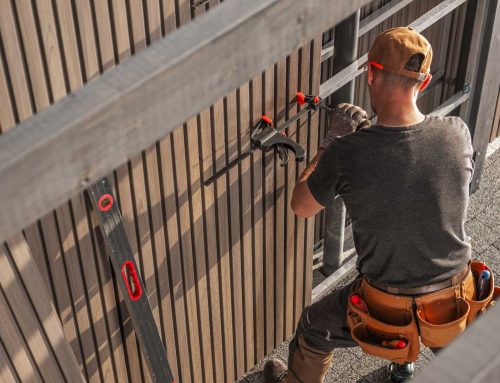
High-quality materials such as fibre cement, engineered wood, and durable composites create visual depth that cheaper products cannot match. These materials offer richer colour, more authentic texture, and greater design flexibility. They allow for customized finishes that convincingly imitate premium options like natural stone or genuine cedar shake. This level of detail elevates the home’s appearance immediately. It helps the property stand out and turns an ordinary listing into a memorable viewing experience for buyers.
The visual impact is also tied to the consistency and cleanliness of the finish. Premium cladding delivers a smooth, uniform exterior without the warping, fading, or patchwork repairs common in older or lower-grade materials. This consistency sends a powerful message to buyers. It communicates that the home has been well-maintained and that major aesthetic issues have already been handled. As a result, buyers feel more confident in the overall condition of the property.
Performance & Protection: Durability and Weather Resistance
The core protective function of quality siding is simple: it shields the home’s structure from the demanding Canadian climate. This performance metric is rigorously scrutinized by both buyers and inspectors. Superior sealing is paramount, which is why premium products ensure crucial moisture management. This action mitigates the risks of unseen rot, structural deterioration, and mould. These issues are all significant inspection flags. Furthermore, high-density materials often deter pests like termites. This confirms responsible stewardship over the property’s longevity.
Beyond immediate defence, an investment in quality dramatically extends the maintenance cycle. High-grade alternatives are often warrantied and expected to perform reliably for 50 years or more, providing a massive key selling point by minimizing the new homeowner’s immediate “to-do” list. This long-term durability, coupled with superior energy efficiency through integrated insulation options, enhances the home’s thermal performance. When preparing a realistic budget for your siding project, recognizing the potential energy savings confirms the financial wisdom of choosing a quality product for the buyer.
The Financial Appeal: Reduced Long-Term Maintenance and Buyer Confidence
By installing high-quality siding, the seller effectively provides an immediate, verifiable solution to one of the most significant external maintenance burdens, minimizing future costs for the buyer. Premium cladding is engineered for longevity and minimal upkeep, avoiding the frequent, costly repairs of cheaper materials. Most importantly, high-quality manufacturers offer extensive, long-term warranties—often spanning 25 to 50 years—that are fully transferable to the new owner. This documentation acts as an undeniable signal of confidence and quality assurance, significantly reducing the buyer’s risk profile and confirming that high-quality siding is a good investment.
While the initial investment in premium materials is higher, the return on investment (ROI) proves superior. This is true when factoring in market impact and all avoided future costs. The seller should frame the new siding not as an expense, but as a major capital improvement. This reframing helps potential buyers justify the higher asking price. They know they are acquiring decades of worry-free use. This psychological factor is powerful and highly influential in the competitive real estate market. Buyers consistently prioritize reduced financial risk.
The Real Estate Edge: Stronger Offers and Negotiation Power
New, high-quality siding appeals directly to the desirable “turnkey” buyer, who is typically less price-sensitive and highly motivated to close quickly. This proactive investment leads to significantly cleaner inspections, as the high-quality, properly installed exterior envelope is far less prone to structural, moisture, or rot concerns than old cladding. By eliminating these major inspection flags, the seller is strategically positioned to attract the right buyers when you sell your home.
The pristine, warrantied exterior registers as a major capital improvement during the appraisal process. This ensures the property’s valuation supports the listing price, which minimizes financing risks. A seller providing documentation of this quality investment can confidently hold firm on the asking price. This demonstration of integrity builds crucial trust and shifts the balance of power during negotiations. Ultimately, this enables the seller to maintain control and achieve a final sale price closer to the original list price.
Your Home’s Best Dressed Investment
Choosing high-quality exterior cladding is a proactive decision. This maneuver extends far beyond basic aesthetics. It strategically determines how the property is valued and negotiated in the real estate market. The core benefits result in a stronger initial impression and superior protection against the Canadian elements. They also provide verifiable proof of minimal future maintenance costs for the new owner. This combination of attributes minimizes typical risks and financial uncertainties associated with purchasing an older property. Maximizing returns requires approaching the sale of a home as the calculated presentation of a high-value asset, not just a simple listing. Ensuring the exterior speaks volumes about the interior’s quality is the key to securing the strongest possible offer.