In Canadian climates, a home must withstand prolonged cold, wind-driven rain, snow accumulation, and repeated freeze–thaw cycles. The building envelope refers to the exterior shell that separates indoor living space from outdoor conditions. While homeowners often think about visible upgrades like furnace repair, the performance of exterior components is equally important in maintaining comfort and efficiency. Siding forms one of the most critical outer layers of that protective system. Understanding how the building envelope works helps explain why exterior installation quality matters so much.
When the envelope functions properly, it controls air movement, manages moisture, and supports insulation performance. If one component underperforms, the entire system becomes vulnerable. Exterior protection is not just about appearance; it is about structural preservation and energy control. In colder regions, small weaknesses can lead to long-term deterioration. Learning how siding contributes to this system helps homeowners evaluate overall exterior performance.
What Is the Building Envelope?
The building envelope is the physical barrier that separates the interior of a home from the outdoor environment. It includes exterior walls, roofing, windows, doors, insulation, air barriers, and moisture-control layers. Each component works together to regulate temperature, manage airflow, and prevent water intrusion. When functioning properly, the envelope maintains indoor comfort while protecting structural materials. In colder climates, this system must perform consistently throughout long heating seasons.
The envelope does not rely on one single material for protection. Instead, it functions as a layered system where each element supports the next. If one layer fails, such as improperly installed cladding, the entire wall assembly can become compromised. Moisture may enter behind surfaces, and air leakage can increase heating demand. A well-integrated envelope reduces these risks and improves overall durability. Understanding this system clarifies why exterior installation quality has long-term consequences.
Why the Building Envelope Matters More in Cold Climates
Cold climates place sustained stress on the building envelope. Long heating seasons create consistent temperature differences between indoor and outdoor air. This contrast increases pressure on exterior walls and raises the risk of air leakage and condensation. When moisture becomes trapped within wall assemblies, it can freeze and expand, leading to gradual deterioration. Proper envelope performance is essential for preventing this cycle.
Energy efficiency also depends heavily on envelope integrity. Heat naturally moves toward colder surfaces, and any weakness allows that transfer to accelerate. Small gaps or poorly sealed areas increase heating demand throughout the winter months. Maintaining a strong exterior barrier reduces strain on mechanical systems and improves comfort. In Canadian regions, exterior durability is directly tied to overall energy performance.
How Siding Protects the Envelope
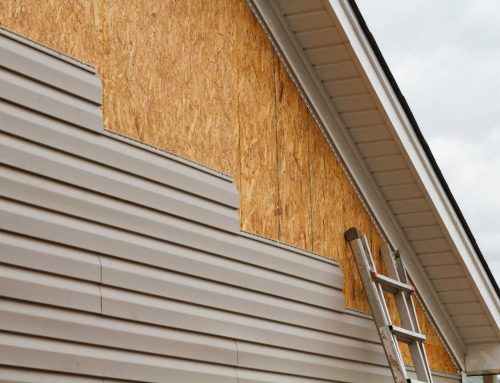
Siding serves as the first line of defence against environmental exposure. It deflects rain, snow, and wind away from structural components beneath the surface. When installed correctly, it directs water toward designated drainage paths rather than allowing it to accumulate behind panels. This protective layer shields sheathing and framing from repeated moisture exposure. In cold climates, that protection is essential for preventing freeze-related damage.
Beyond moisture control, siding also contributes to air management. Tight, well-aligned panels reduce uncontrolled airflow into wall cavities. Some systems, including insulated siding, provide additional thermal resistance that strengthens the overall wall assembly. When the exterior cladding performs properly, it supports both durability and energy efficiency. The outer layer plays a much larger role in structural protection than many homeowners realize.
The Role of Proper Installation
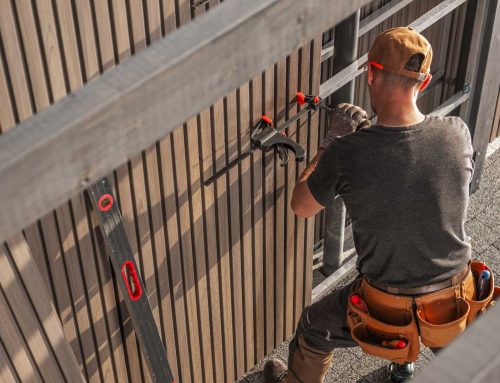
Even high-quality materials cannot compensate for poor workmanship. Proper installation ensures that siding integrates seamlessly with air barriers, flashing, and drainage layers. Panels must be secured with the correct fastening method and allowed room for expansion and contraction. If these details are overlooked, moisture can penetrate behind the surface and compromise the wall assembly. Ensuring that the siding is installed correctly is critical to long-term envelope performance.
Improper installation often leads to hidden structural issues. Water intrusion may not be visible until staining, warping, or mould appears inside the home. In colder climates, trapped moisture can freeze and expand, increasing damage over time. Careful installation protects structural framing and insulation from preventable deterioration. Attention to detail during installation strengthens the reliability of the entire building envelope.
Energy Efficiency and Insulation Performance
A properly functioning building envelope plays a major role in overall energy efficiency. When exterior layers are sealed and aligned correctly, they reduce uncontrolled air movement and limit heat loss. This directly lowers the strain placed on heating systems during long Canadian winters. Exterior cladding works together with insulation to maintain stable indoor temperatures. Improving wall performance contributes to lower energy consumption over time.
Upgrading exterior materials can further enhance insulation value. Homeowners who invest in high-quality siding often see improvements in both durability and thermal performance. Certain products, including insulated siding, add an extra layer of resistance against temperature transfer. These systems strengthen the envelope and reduce seasonal energy fluctuations. Strong exterior insulation supports comfort and long-term cost control.
When to Upgrade the Exterior System
Over time, signs of envelope weakness may begin to appear. Persistent drafts, interior condensation, or unexplained moisture staining can indicate that exterior layers are no longer performing as intended. Warped panels, loose trim, or visible gaps may suggest declining structural protection. When these symptoms arise, homeowners should evaluate whether it is time to upgrade the exterior system. Careful planning is essential before starting a siding project to ensure long-term performance.
Upgrading exterior cladding strengthens the protective barrier against harsh weather. In many cases, addressing aging materials early prevents more significant structural repairs later. Evaluating installation quality and material performance helps determine the right course of action. Proactive improvements protect both energy efficiency and structural integrity. Strengthening the envelope supports long-term durability in demanding Canadian climates.
Strengthening the Envelope Strengthens the Home
The building envelope forms the foundation of a home’s protection and energy performance. When exterior components work together, they manage moisture, control airflow, and preserve structural materials. Properly installed siding plays a critical role in maintaining this balance. In cold climates, small weaknesses can escalate quickly if left unaddressed. Investing in envelope performance supports comfort, durability, and long-term property value.