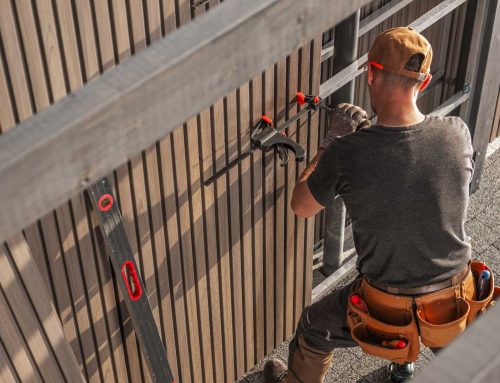
In cold climates, exterior materials are constantly tested by moisture, temperature swings, and prolonged exposure to snow and ice. While homeowners often focus on siding material choice, far fewer realize that installation quality plays an even greater role in long-term performance. When siding is installed incorrectly, it may look acceptable at first, but hidden problems can begin developing almost immediately behind the surface.
Much like issues with improperly sealed windows or poorly aligned garage doors, siding installation mistakes rarely announce themselves right away. Damage builds slowly, often out of sight, until moisture reaches structural components and repair costs escalate. Understanding how poor installation causes hidden structural damage helps homeowners make better decisions before starting a siding project in a cold climate.
Why Installation Matters More in Cold Climates
Cold climates place unique demands on siding systems that are not present in milder regions. Extended winters mean siding is exposed to snow and ice for long periods, limiting its ability to dry properly. When temperatures fluctuate above and below freezing, trapped moisture expands and contracts, stressing materials and fasteners repeatedly.
Poor siding installation magnifies these effects. Small errors that might be tolerable in warmer climates become serious vulnerabilities when exposed to freeze–thaw cycles. Without correct spacing, fastening, and moisture management, siding cannot adapt to seasonal movement, accelerating deterioration beneath the surface.
How Improper Fastening Leads to Structural Stress
Fastening errors are among the most common installation mistakes. Over-fastening restricts the natural expansion and contraction of siding panels, while under-fastening allows excessive movement during high winds and temperature changes. Both scenarios compromise the siding’s ability to protect the structure.
Over time, stressed panels begin to warp, crack, or pull away from the wall. These distortions create gaps that allow moisture to bypass the siding layer entirely. Once water reaches the wall assembly, it no longer matters how durable the siding material itself may be—the structure beneath is now exposed.
When Moisture Barriers and Flashing Are Installed Incorrectly
Siding does not function alone. It relies on moisture barriers and flashing to direct water safely away from the home. When these components are installed incorrectly or omitted altogether, water follows the path of least resistance—often straight into the wall cavity. This is especially problematic around windows, doors, and roof transitions.
In cold climates, flashing errors are amplified by ice buildup and snowmelt. Water that should drain outward instead becomes trapped behind siding, where it refreezes and expands. These repeated cycles break down barriers and allow moisture to penetrate deeper into the structure with each season.
How Poor Siding Installation Traps Moisture Behind Siding
One of the most damaging consequences of poor siding installation is trapped moisture. Without proper drainage planes or ventilation gaps, water that enters behind siding has no way to escape. In winter, this moisture remains frozen for long periods, delaying evaporation and increasing material stress.
As temperatures rise, trapped moisture begins to migrate. Wood sheathing absorbs water, insulation becomes saturated, and metal fasteners corrode. Because this process occurs behind intact siding panels, homeowners are often unaware of the damage until structural issues surface.
Structural Damage That Develops Out of Sight
Hidden structural damage is the most dangerous outcome of poor siding installation. Prolonged moisture exposure leads to rot in wood framing and sheathing, weakening the home’s structural integrity. Insulation loses its effectiveness, increasing heat loss and reducing indoor comfort.
Fasteners and connectors are also affected. Corrosion weakens their holding power, allowing siding panels to loosen further and accelerate the cycle of damage. By the time visible signs appear, repairs often extend beyond siding replacement to include framing and insulation restoration.
Warning Signs of Installation-Related Siding Failure
Although much of the damage occurs out of sight, there are warning signs homeowners can watch for. Uneven or buckling siding panels, persistent moisture stains near exterior walls, or recurring drafts suggest the siding system is no longer functioning correctly. These symptoms often point to installation-related issues rather than material defects.
Interior signs can also indicate exterior problems. Increased humidity, peeling paint, or unexplained cold spots near walls may be linked to moisture intrusion behind siding. Recognizing these early indicators allows homeowners to intervene before structural damage becomes severe.
Why Repairs Often Don’t Fix Installation Mistakes
Surface-level repairs may temporarily improve appearance, but they rarely address the root cause of installation failures. Replacing a few panels or resealing visible gaps does not correct improper fastening, missing barriers, or inadequate drainage. As a result, moisture continues to enter and damage the structure.
In many cases, repeated repairs end up costing more than proper corrective work. Without addressing underlying installation flaws, homeowners face recurring issues season after season. This is why a comprehensive evaluation is critical before deciding whether repairs are sufficient.
How Proper Installation Protects the Structure Long-Term
Correct siding installation is about system performance, not just aesthetics. Proper fastening allows materials to move with temperature changes, while well-designed drainage paths ensure moisture is redirected safely away from the home. Ventilation gaps allow walls to dry efficiently, even in cold conditions.
Installation quality also affects how siding integrates with other exterior systems. Ensuring siding works properly with roofing, windows, and other exterior components helps maintain a continuous protective envelope around the home. When installed correctly, siding provides long-term structural protection instead of becoming a recurring maintenance concern.
Installation Quality Determines Structural Health
In cold climates, siding installation quality determines how well a home withstands years of environmental stress. Poor installation allows moisture to infiltrate, materials to fail prematurely, and structural damage to develop unseen. These issues rarely resolve on their own and often worsen with each passing winter.
For homeowners, the lesson is clear: appearance alone is not enough. Choosing to invest in high-quality siding means prioritizing proper installation as much as material selection. When siding is installed correctly from the start, it protects the structure, preserves comfort, and safeguards the home’s long-term value.